
May the busyness of life and the challenges we face never prevent us from serving and helping others.
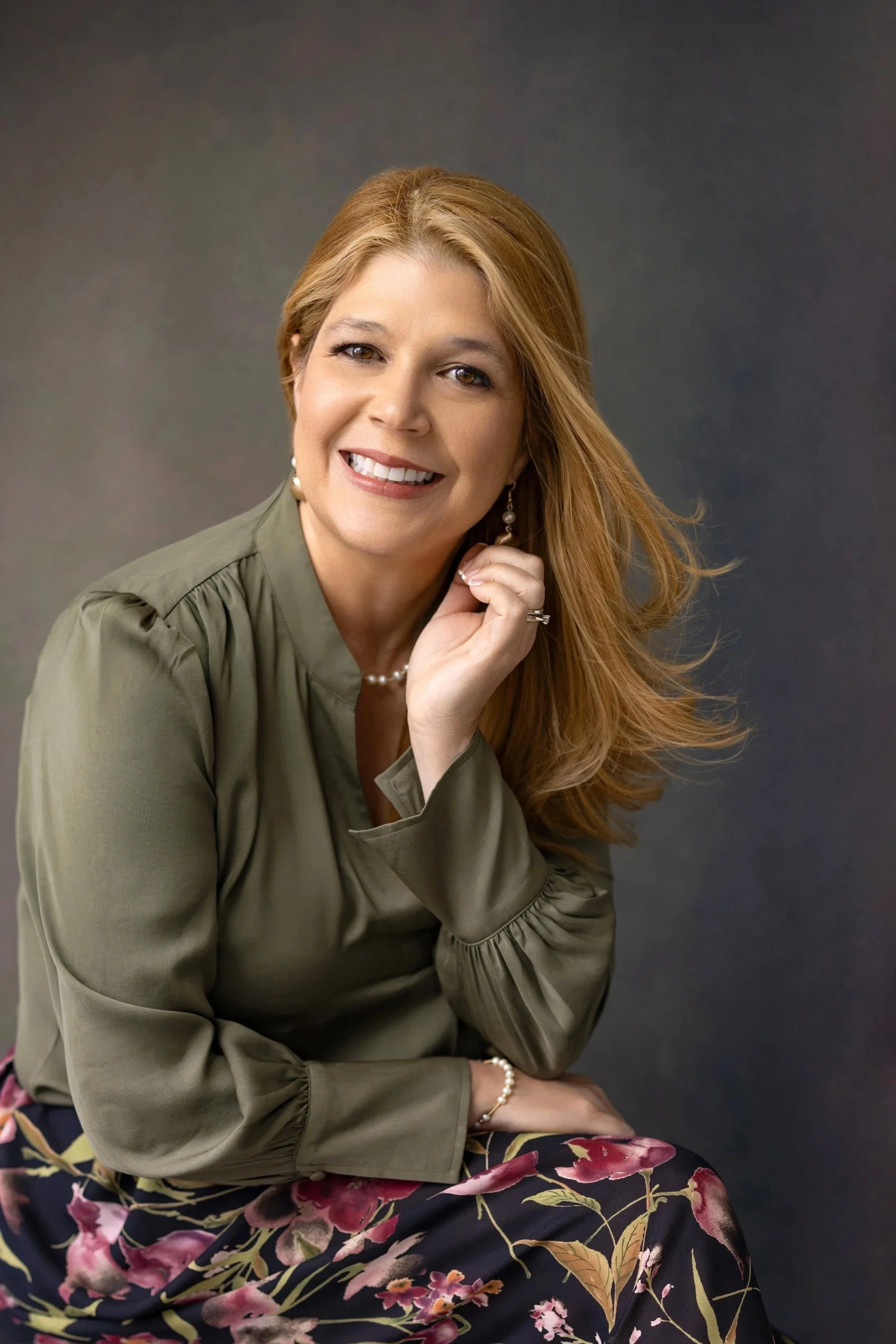
Dr. Denisse Centeno Lamas, Founder, Hispanic Family Counseling, Inc.
Words from our Founder: Travel to Remember, Return to Serve
This month, I had the opportunity to visit Vietnam and Cambodia, two beautiful countries deeply marked by histories of war, violence, and loss.
Learning more closely about Vietnam’s history and walking through places where the consequences of that conflict can still be felt made me reflect on the human cost of war. Behind what we read in history books are millions of lives, families, and generations shaped by political decisions and conflicts that were often beyond their control.
But for me, it was in Cambodia where that reflection took on faces.
Between 1975 and 1979, under the Khmer Rouge regime, nearly two million people died as a result of executions, starvation, disease, and forced labor.
We visited Tuol Sleng, a former school that was converted into S-21 prison and torture center, where I had the opportunity to meet Chum Mey, one of the few survivors of that place who is still alive today. We also walked through Choeung Ek, one of the sites known as the Killing Fields.
Some experiences are difficult to put into words. Seeing the human remains of victims and walking through the places where thousands of people were killed was profoundly painful. Meeting a survivor of S-21 in person was equally powerful. Suddenly, what I had once read about in books was standing right in front of me.
Our own guide was also part of that history. He was only nine years old when he was separated from his family and forced to work during the Khmer Rouge regime. One of his brothers died. Years later, his father was able to reunite the surviving members of their family.
It is one thing to read that millions of people died. It is something entirely different to walk through the places where those atrocities occurred, witness their consequences, and look into the eyes of those who survived.
That is when I understood that history is not as far away as we sometimes think. It still walks among us, through the people who survived to tell it.
Learning from history is crucial, even when it is painful or when we discover that the country we live in also made decisions that contributed to the suffering of others. Acknowledging the mistakes of the past does not mean loving a country any less; it means having the courage to learn from them so that we do not repeat them.
And that reflection inevitably made me think about the present.
Over the past several months, we have worked to bring aid to Venezuela. It has not been easy. The obstacles, costs, and processes have been exhausting. As new needs arise in other communities, sometimes the question comes to mind: Do we try again?
My answer after this trip is yes.
One difficult experience cannot become an excuse to stop helping.
History teaches us what can happen when we stop seeing others as human beings, remain silent in the face of suffering, or convince ourselves that other people’s problems are not our concern.
Perhaps that is one of the greatest reasons to travel: not simply to discover new places, but to allow what we see, hear, and experience to transform us.
And today, I leave you with two questions:
What do you need to learn from history so that you do not repeat it? And what can you do today to help someone who is suffering or needs you?
May the busyness of life and the challenges we face never prevent us from serving and helping others.
With peace, hope, and love,
Dr. Denisse Centeno Lamas
You can read more here.

“You don’t have to wait to do something extraordinary to leave an extraordinary legacy.
Every day, you have the opportunity to plant a seed.”
-Dra. Nidia Medina, CEO, Hispanic Family Counseling, Inc.
Reflection August 2026
I ended our conversation last month by telling you that the change you want to see in the world begins with the way you choose to look at, listen to, and love the people right in front of you.
That decision, although it may seem small, has the power to leave a lasting mark, one that extends far beyond the moment.
And that brings me to a question:
Why do I want to leave an eternal legacy? Or perhaps, more deeply: Do we want to leave an eternal legacy?
Could it be that, despite how brief life may seem, we truly can leave something behind that lasts far beyond us?
Perhaps, at times, we see it as impossible. We think that to leave an eternal legacy, we must do great things, accomplish great goals, or change the world in some extraordinary way.
But what if we started with something much simpler? What if we learned to become more intentional about noticing the world around us?
Let’s turn our attention to those who are closest to us. The people who surround us every day. Those with whom we share our lives, our work, our conversations, and our ordinary moments.
They may be the most fertile ground in which to plant something that will endure.
Because legacy is rarely built through grand gestures. More often, it is built through the small moments someone never forgets:
A simple act of love.
A word of appreciation.
An affirmation at just the right moment.
Reminding someone that you believe in their ability to achieve their dreams.
Encouraging them when they feel they have no strength left.
Standing beside them in the middle of their struggles without judging them.
Telling them how much you love them.
Looking at them with warmth.
Offering a word of wisdom that helps them discover their own potential.
Perhaps you can see it now: it’s simpler than it seems.
You don’t have to wait to do something extraordinary to leave an extraordinary legacy.
Every day, you have the opportunity to plant a seed.
To plant love in those you call your own.
In those who are nearby.
In those who are far away.
In those you simply happen to meet along the way.
We may never know how far a seed planted with love will travel.
A word can change a decision.
A look can restore hope.
An act of love can transform a life.
And perhaps that is one of the deepest ways we can leave an eternal legacy: to live in such a way that the love we give continues to live in others, even when we are no longer there to see it.
With love,
-Dra. Nidia Medina, CEO, Hispanic Family Counseling, Inc.
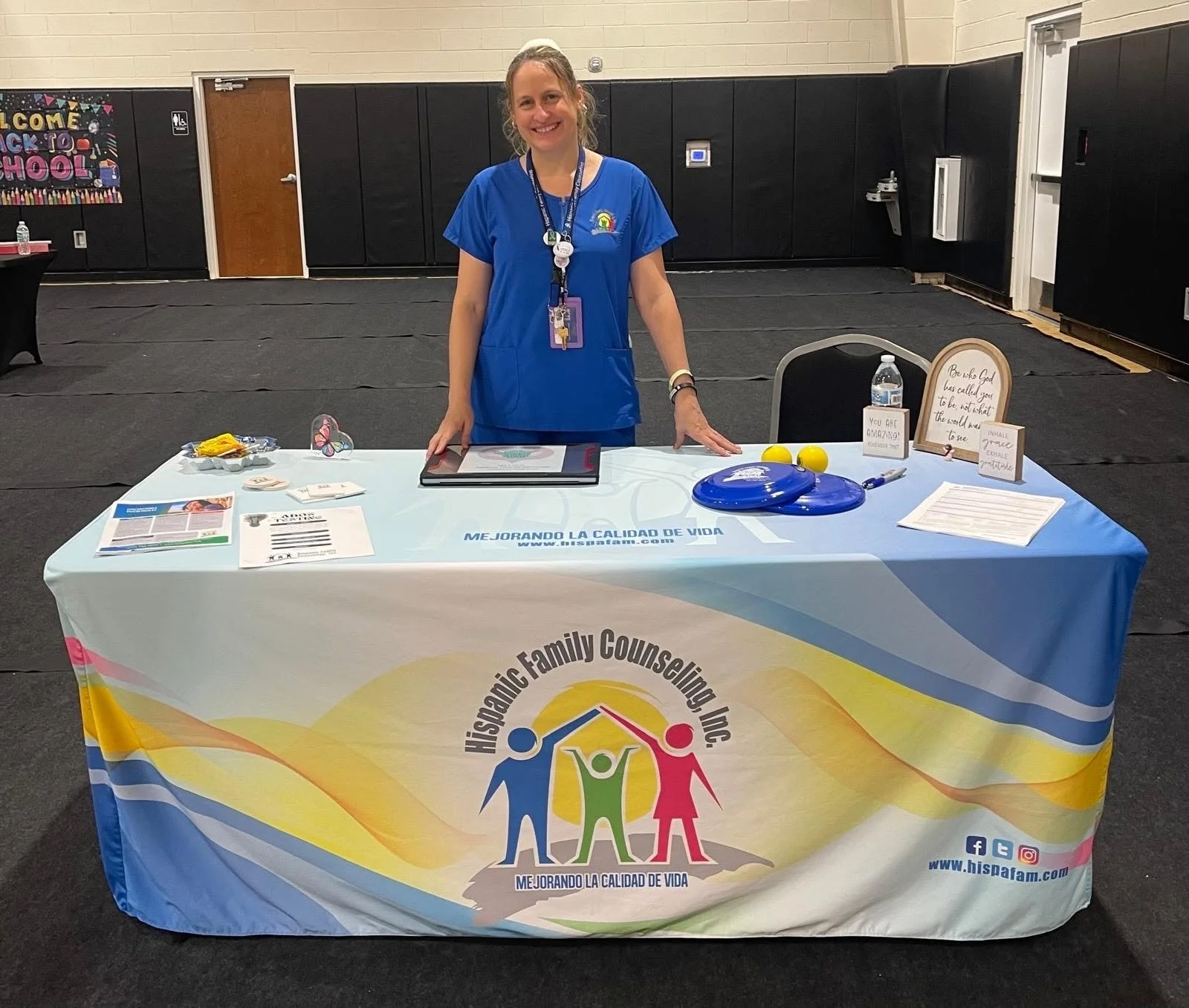
We’re proud to see our team connecting with and supporting our community!
Wendy Newman, one of our dedicated therapists at Hispanic Family Counseling, had the opportunity to participate in the Open House at Poinciana Christian Preparatory School – Main Campus, where she shared information about our mental health services and resources with students and their families.
We are grateful for opportunities like this that allow us to connect with families, raise awareness about mental health, and ensure our community knows that support is available when they need it.
Thank you to Poinciana Christian Preparatory School for welcoming us!
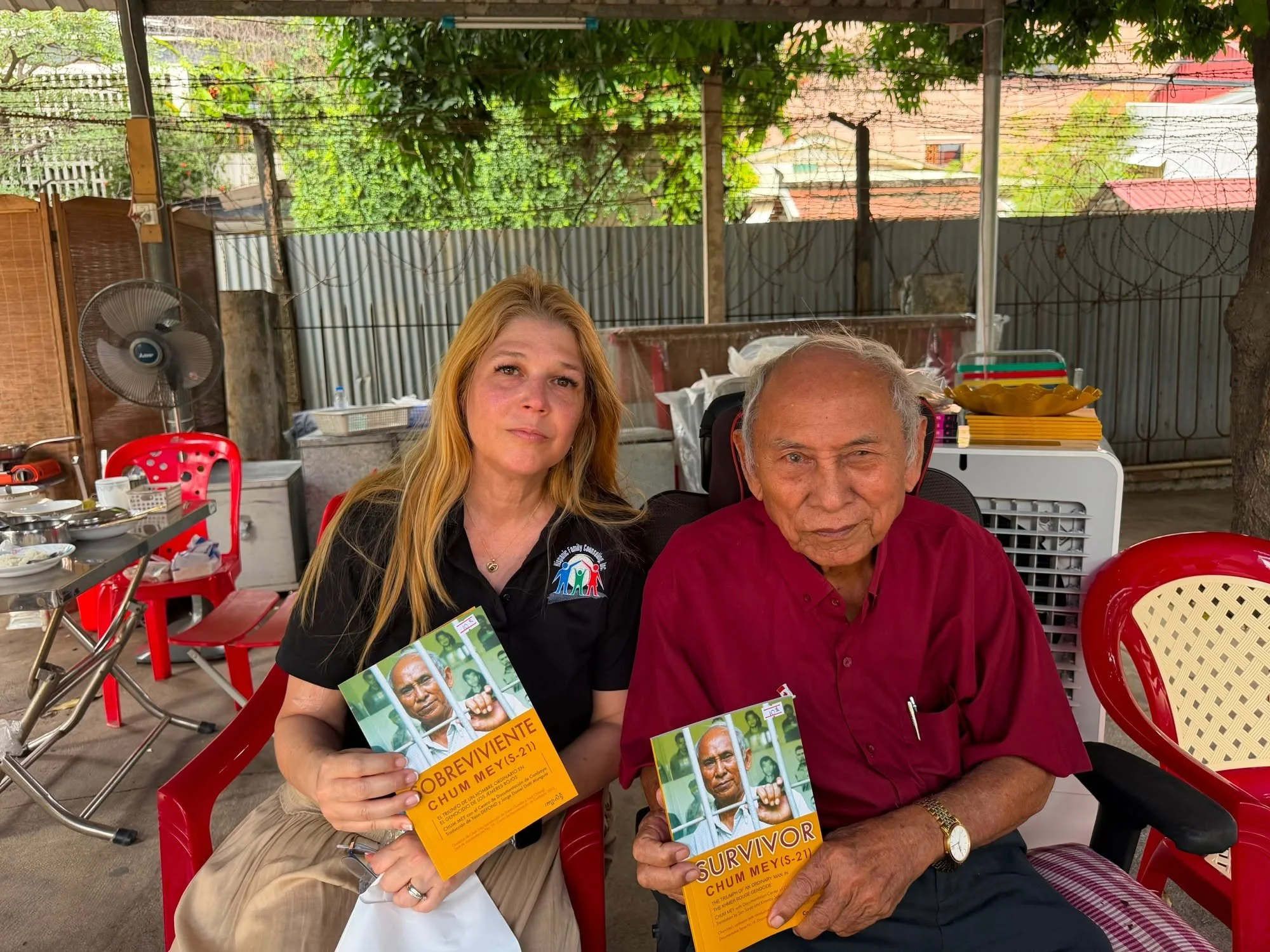
When History Has a Face: Meeting S-21 Survivor Chum Mey
Our Founder and President, Dr. Denisse Centeno Lamas, had the extraordinary privilege of meeting Chum Mey, one of the few survivors of S-21, during her recent visit to Cambodia.
S-21, now the Tuol Sleng Genocide Museum, was once a school before being transformed into a prison and torture center during the Khmer Rouge regime (1975–1979). Thousands of people were imprisoned there, and only a small number survived.
Chum Mey was one of them. His skills as a mechanic helped save his life, and today he continues to share his story so that future generations can understand, remember, and learn from what happened.
This powerful encounter is a reminder that history is not only something we read about—it lives through the voices and experiences of those who endured it.
At Hispanic Family Counseling, we believe deeply in the dignity and value of every human life. We honor those who survived, remember those whose lives were lost, and recognize our responsibility to carry these lessons forward.
May stories like Chum Mey’s continue to inspire compassion, dignity, understanding, and hope for generations to come.


Supporting Our Students This Back-to-School Season
Hispanic Family Counseling was pleased to participate in a recent meeting with the School District of Osceola County as part of the preparations for the 2026–2027 school year.
Our CEO, Dr. Nidia Medina, and Referral Supervisor, Liza Colón, joined community mental health agencies to review referral processes, access to school-based services, and collaboration between the school district and mental health providers.
These partnerships are essential to helping students and families access services in a timely manner and supporting their emotional well-being throughout the school year.
We are proud to continue working alongside our schools and community partners in support of Osceola County students.
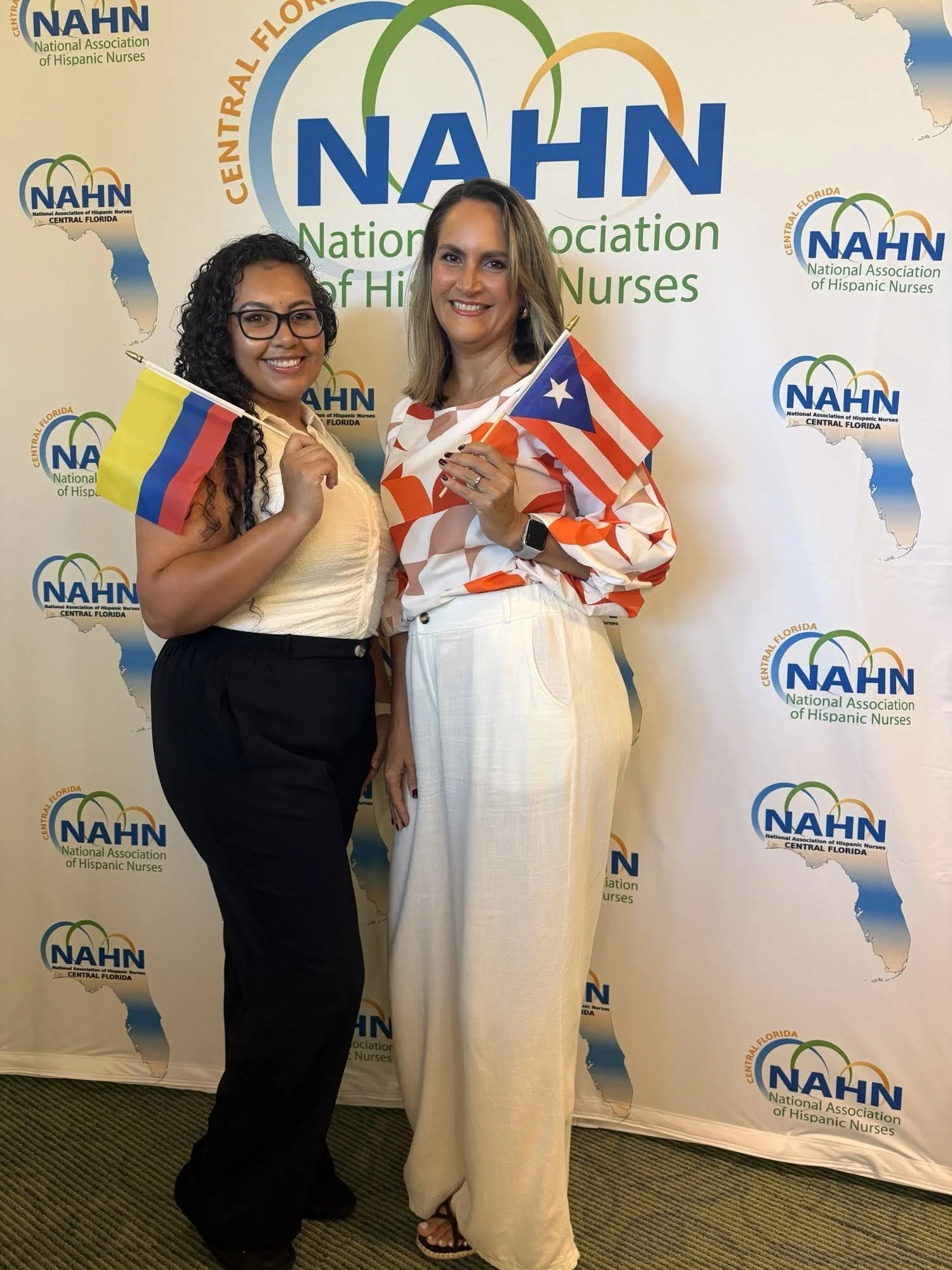
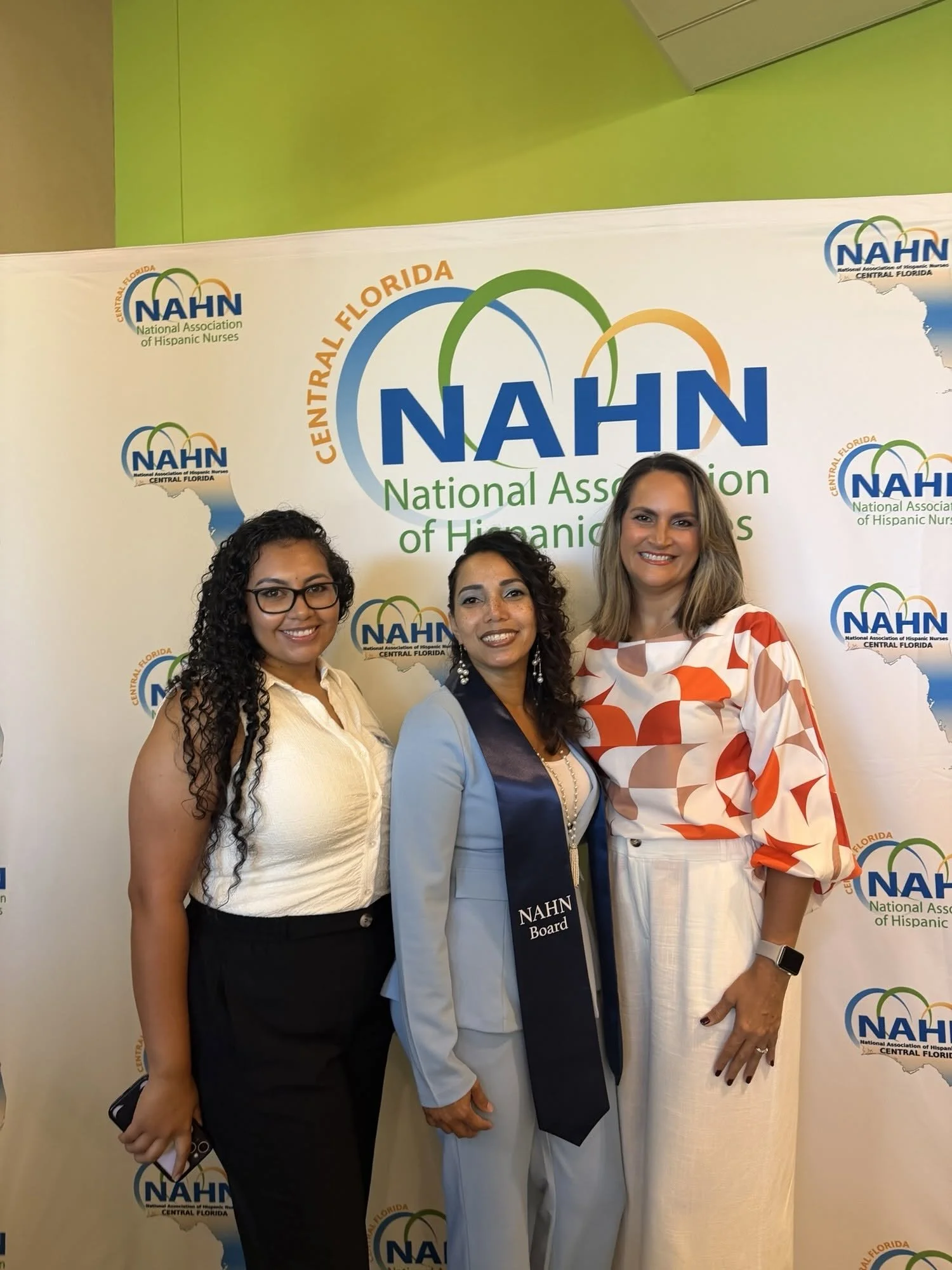

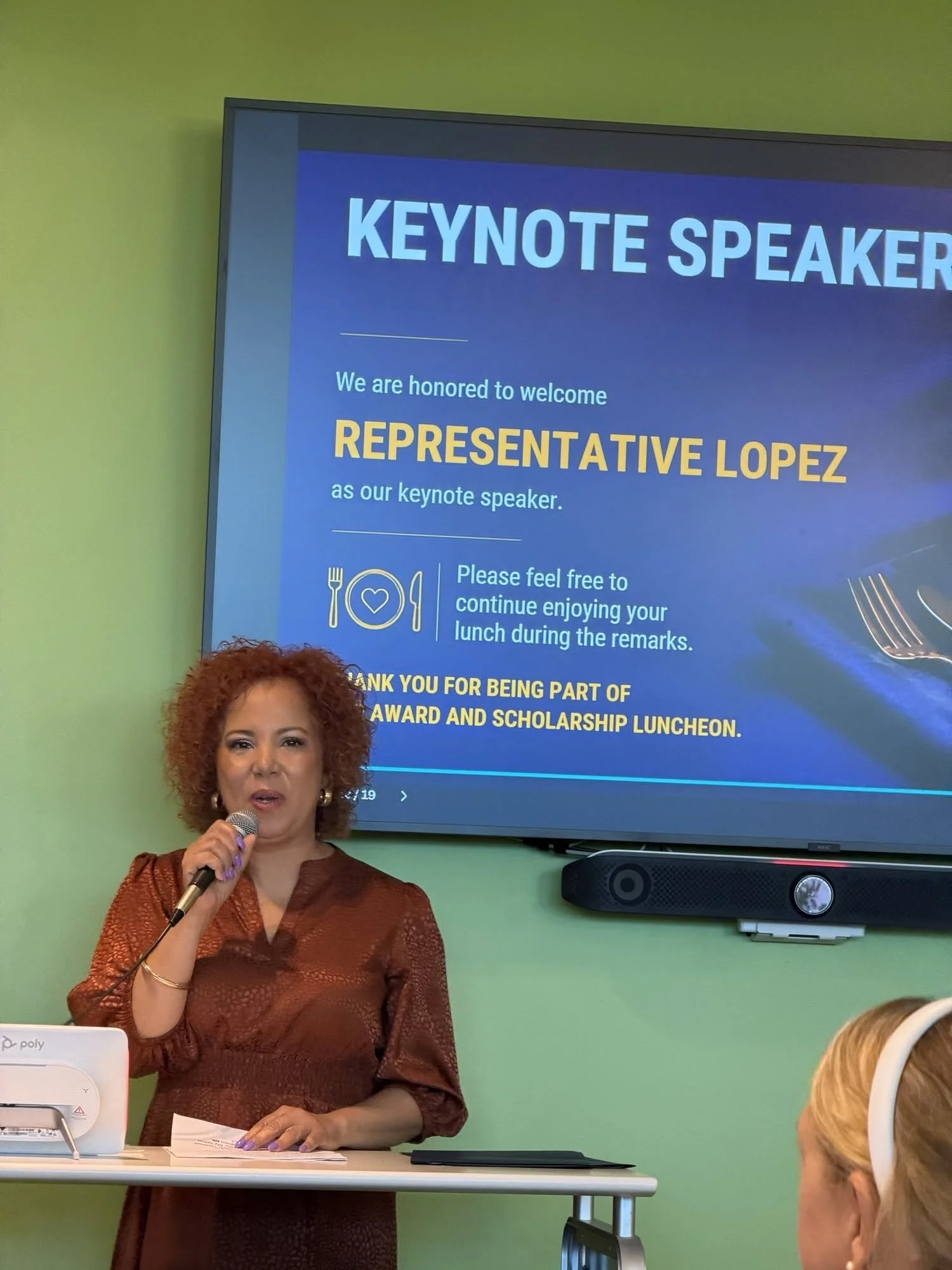
Celebrating Excellence in Our Hispanic Healthcare Community
Hispanic Family Counseling had the honor of attending the NAHN Central Florida Awards & Scholarship Luncheon, represented by Liza Colón, Referral Supervisor, and Ángela Ayala, Billing Supervisor.
A special gathering recognizing the achievements and contributions of Hispanic nurses and future nursing professionals across Central Florida.
State Representative Johanna López, the event’s keynote speaker, shared a powerful message: “Never let your beginning determine your ending.”
Thank you to NAHN Central Florida, especially its President, Giselle Espinosa Williams, for the invitation and for the important work they do in our community.


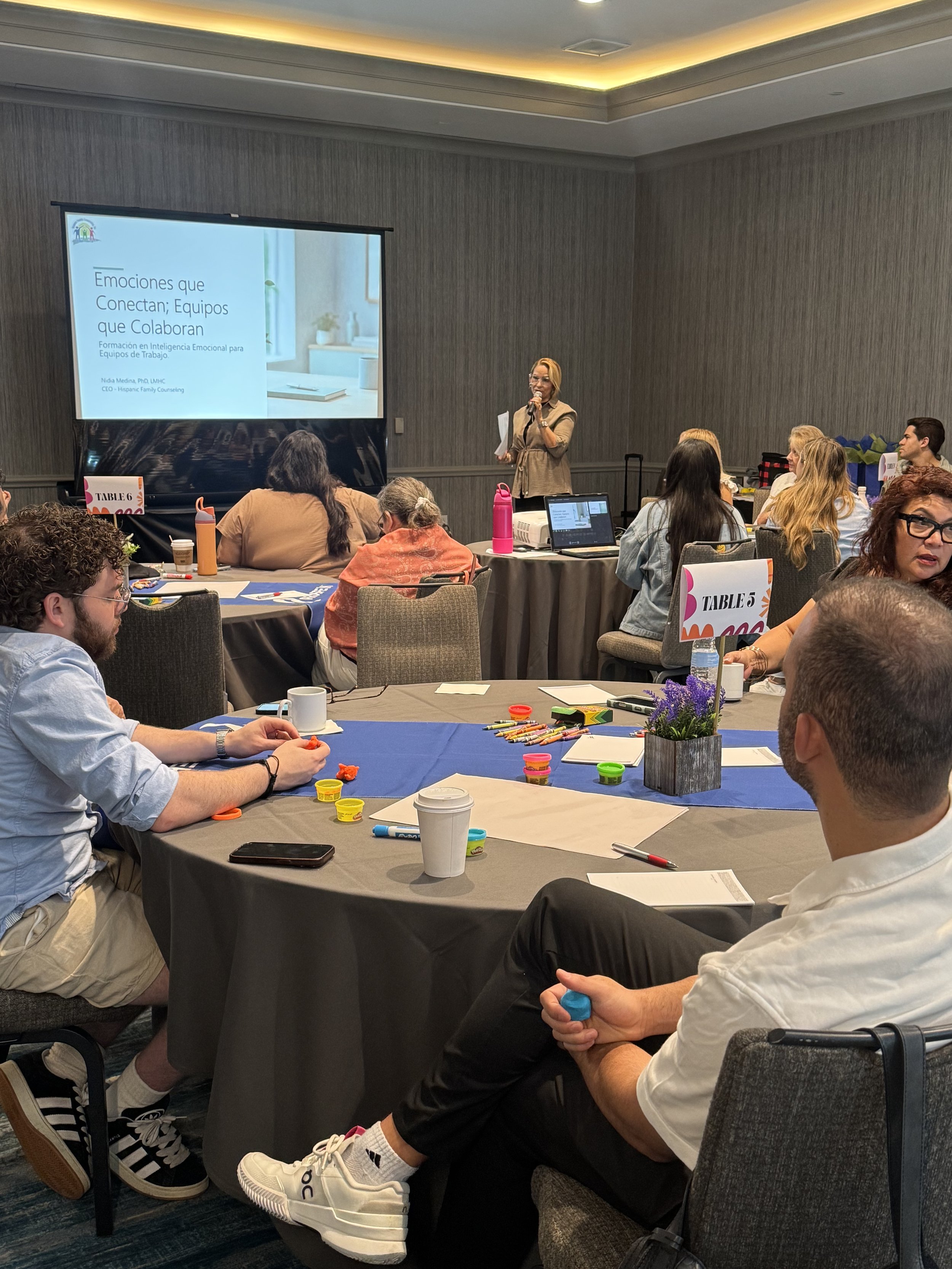

Emotions That Connect, Teams That Thrive
On August 27, 2026, our CEO participated in the Prospera Staff Retreat, a space dedicated to growth, collaboration, and strengthening workplace teams.
As part of the retreat, she facilitated the Emotional Intelligence workshop, “Emotions That Connect; Teams That Collaborate.”
During the workshop, participants explored how recognizing and managing our emotions can transform the way we communicate, build trust, and collaborate with others.
Because when we learn to connect through emotional intelligence, we create teams that are more self-aware, empathetic, and prepared to work together.
Emotions that connect. Teams that collaborate. Together, we build better workplaces.
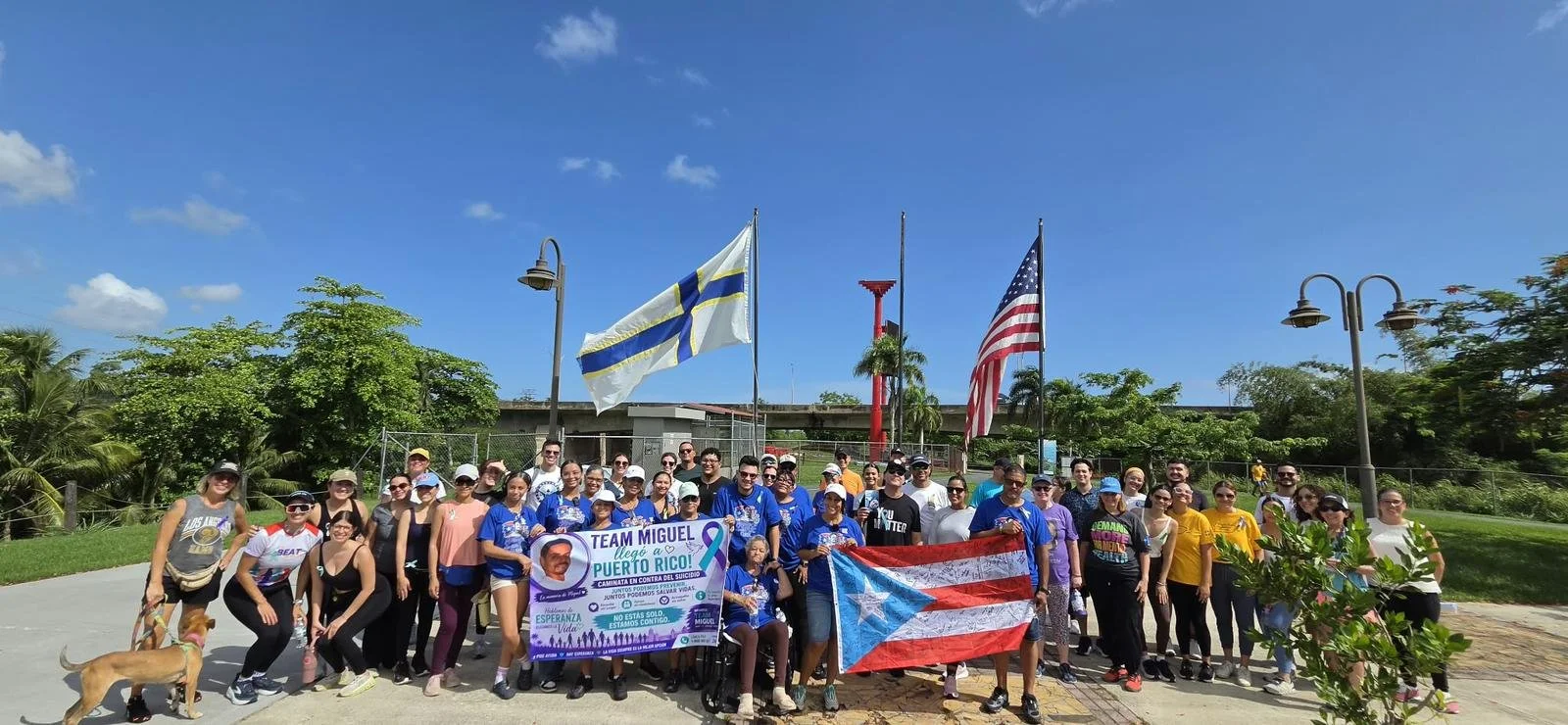
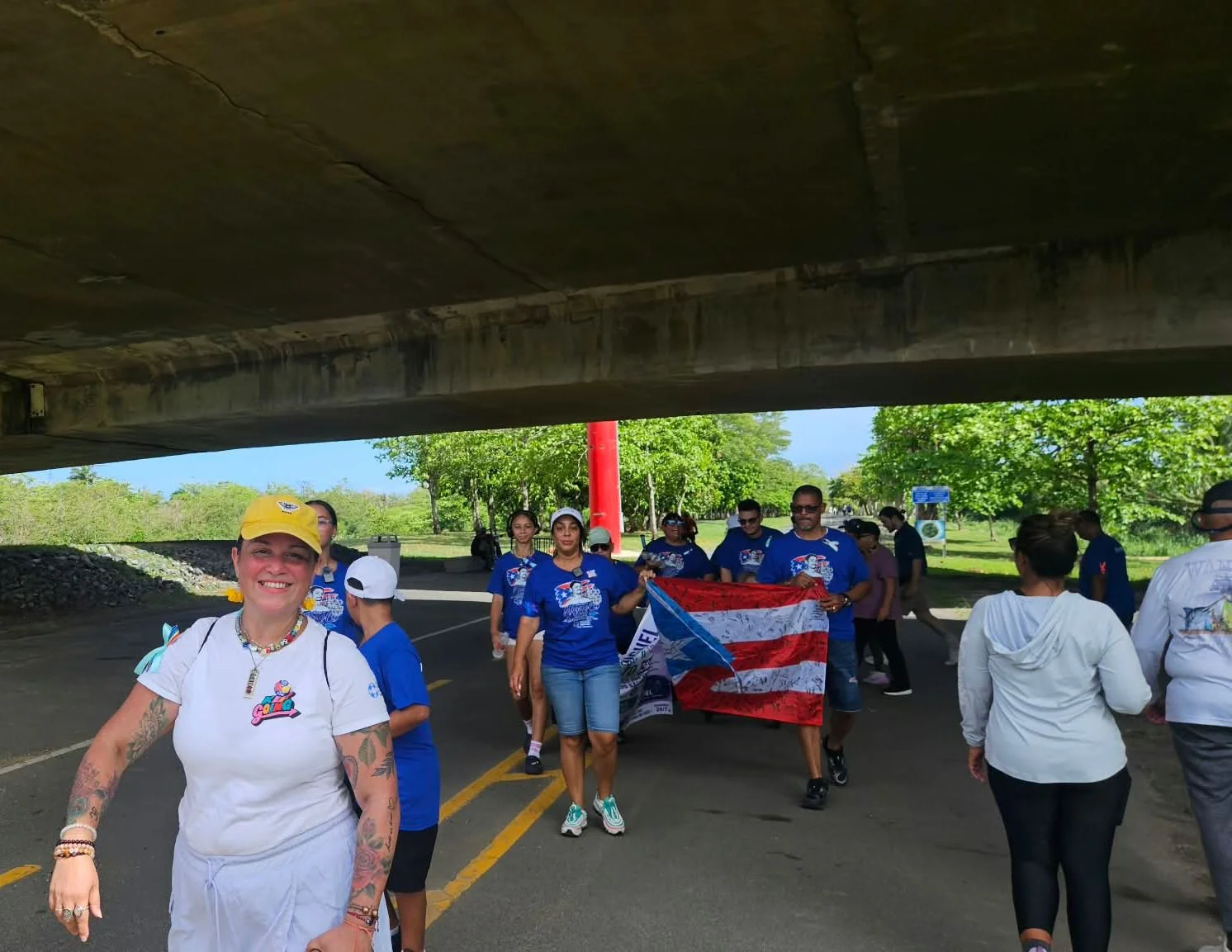

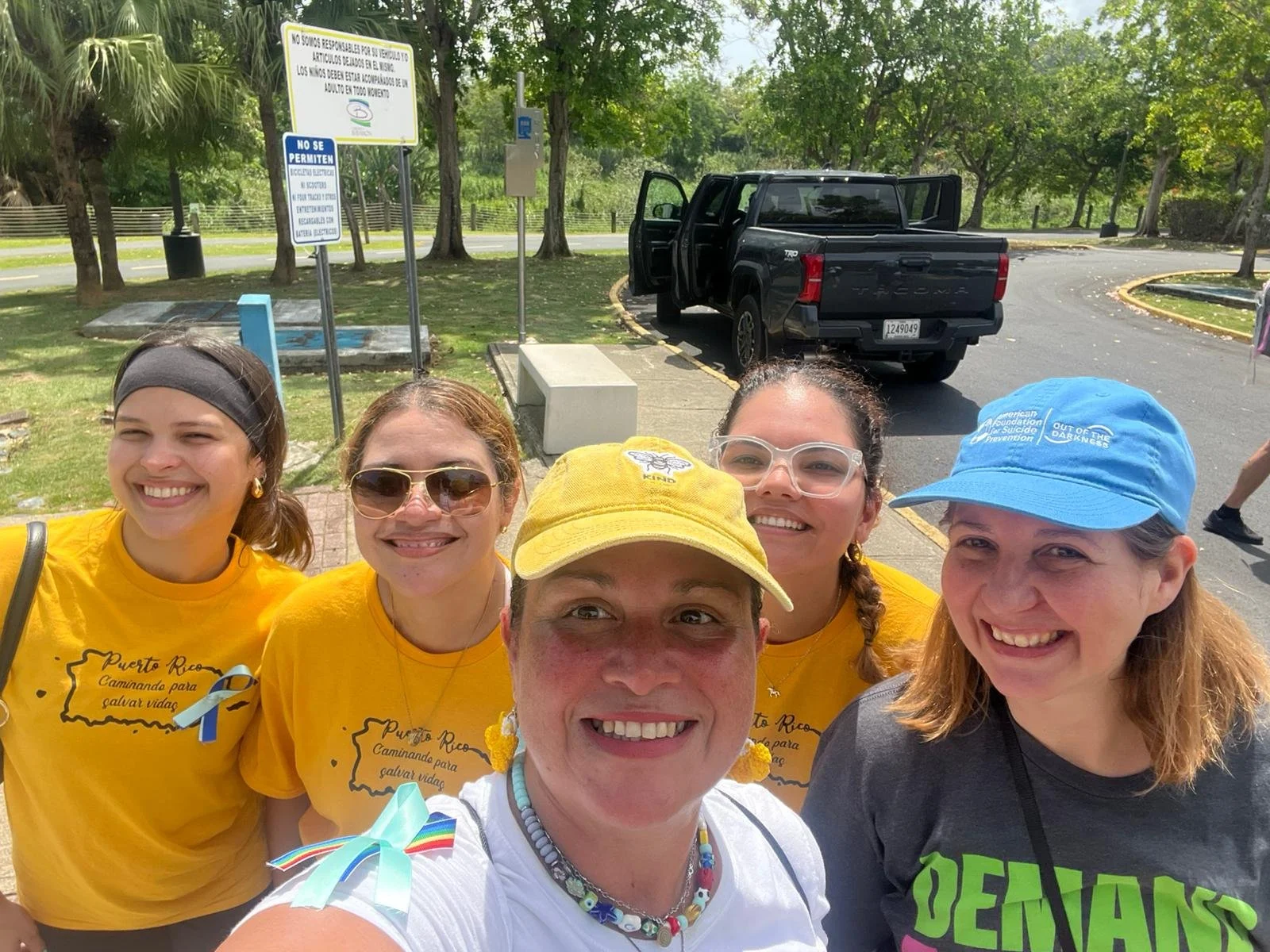


Walking Together for Hope & Suicide Prevention
This weekend, Sheila Burgos, our Human Resources Supervisor and a Board Member of AFSP Puerto Rico, was present leading the Suicide Prevention Walk at Parque Lineal in Bayamón, alongside an incredible team of volunteers committed to this important cause. 💙
The walk brought together survivors, family members, friends, veterans, students, mental health professionals, and members of the community with one shared purpose: to raise awareness, bring hope, and save lives.
We are proud to support initiatives that promote mental health and make a meaningful difference in our communities.
A special thank you to the Hispanic Family Counseling team for their donation and support of this important cause, and to all the volunteers and participants who made this gathering possible.
Together, we can raise awareness, bring hope, and save lives. 💙

If you want to learn more about our work and impact on communities, follow us on our social media platforms.


Click Flyer for English

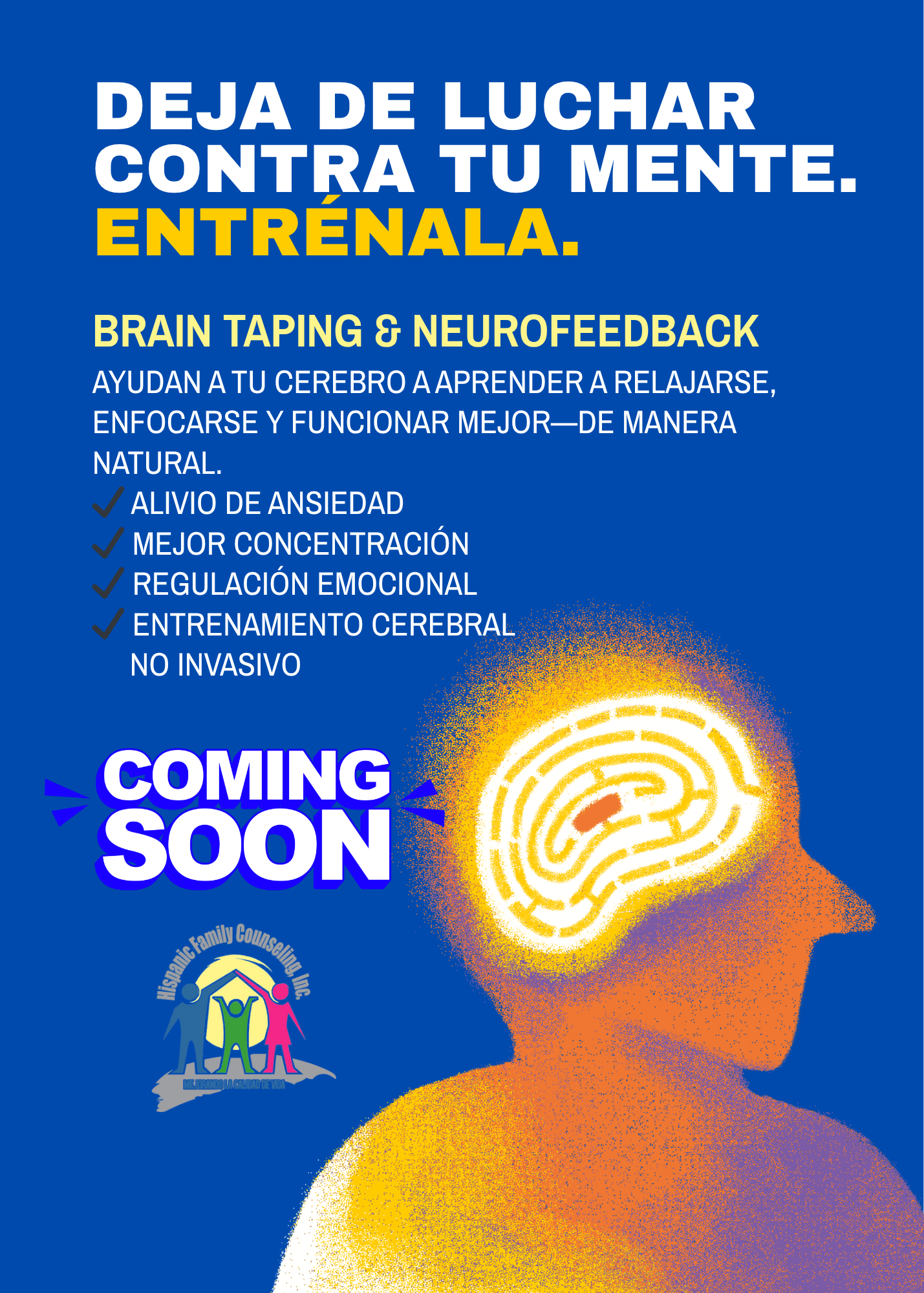
Click for more information
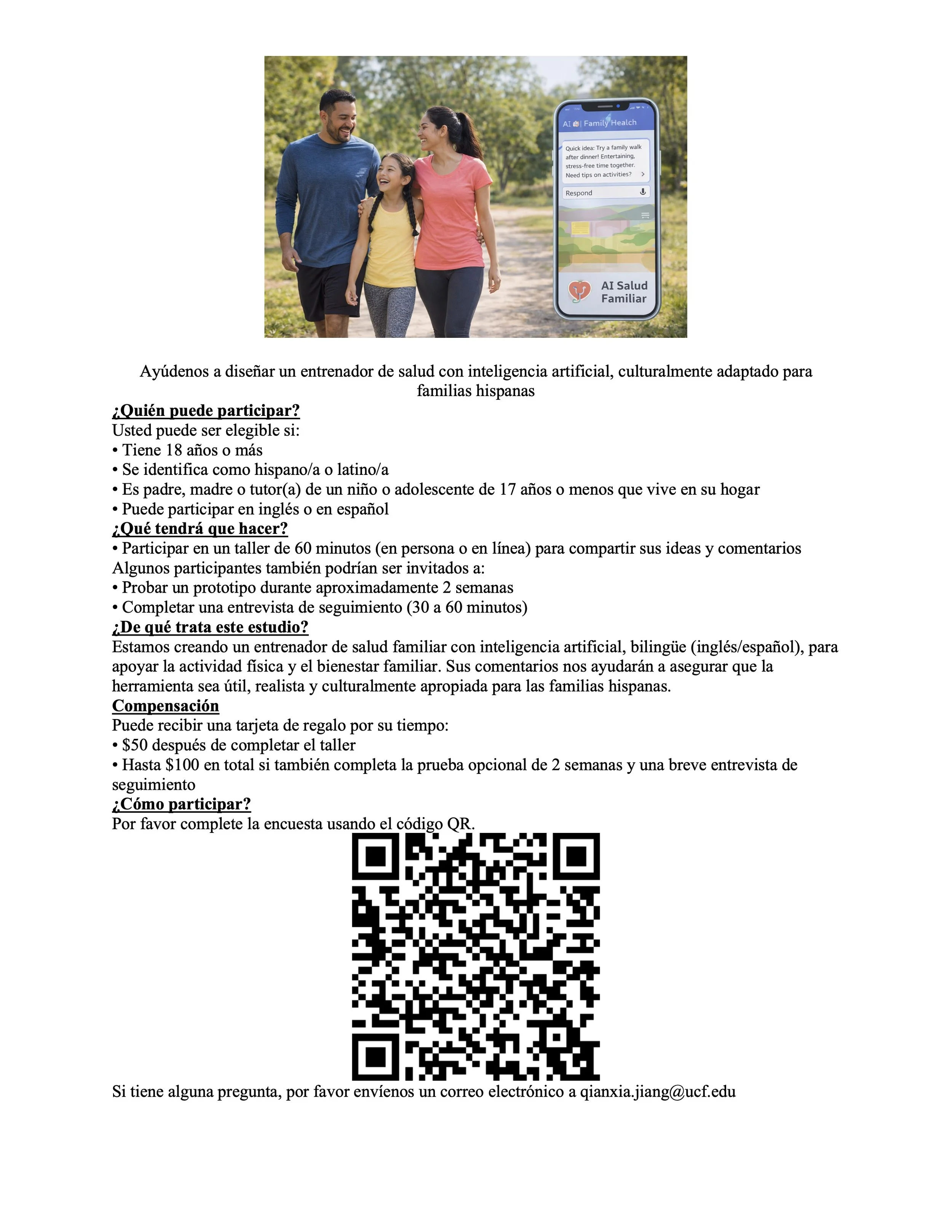
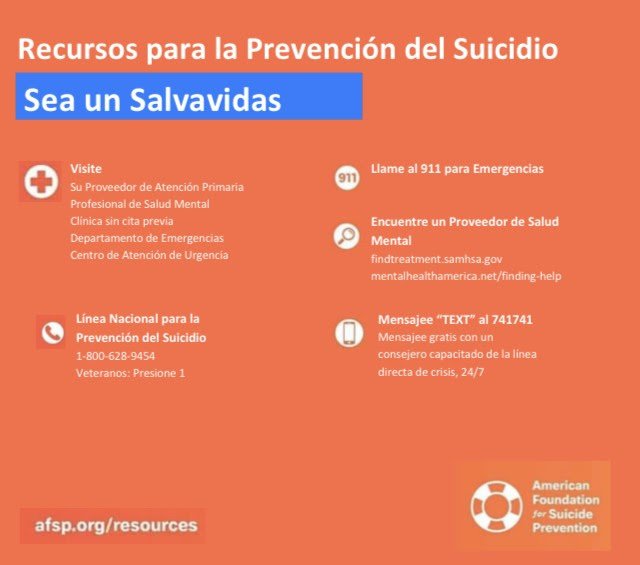


➡️ Read the new blog post:
The Ripple Effect: How Small Acts of Kindness Shape the Lives of Others
In many Hispanic families, love is found in the smallest details. It is the phone call asking, “¿Llegaste bien?” The plate of food someone saves for you. The grandmother who insists you eat a little more. The parent who works long hours for the family. The sibling who shows up when things get difficult. The friend who has become familia.
We may not think of these moments as extraordinary, but they can have a lasting impact.
Sometimes, kindness is simply the way we tell another person:
I see you. You matter to me. You are not alone.
And those small moments can create ripples that reach much farther than we imagine.
Kindness Matters—for the Person Receiving It and the Person Giving It
Science supports something many of us have experienced personally: doing something kind for another person can also positively affect our own well-being.
A review of 27 experimental studies involving more than 4,000 people found that performing acts of kindness had a positive effect on the well-being of the person doing them. (ScienceDirect)
Another large meta-analysis examining more than 198,000 participants found a positive relationship between prosocial behavior—actions intended to benefit others—and well-being. The researchers found an especially meaningful connection with the type of well-being associated with purpose and positive psychological functioning. (PubMed)
Maybe helping others doesn't only make us feel good.
Maybe it reminds us that what we do matters.
The Special Role of Family in Hispanic Culture
For many Hispanic families, familia extends far beyond the people living under one roof.
Grandparents, aunts, uncles, cousins, godparents, and sometimes friends and neighbors become part of a much larger circle of connection.
Psychology often describes this cultural value as familism—or familismo: an emphasis on close, supportive family relationships, loyalty, and connection.
Research involving Latino participants found that familism was associated with greater family closeness and perceived social support, which in turn were associated with better psychological health. (PubMed Central (PMC))
Our connections matter.
But connection doesn't have to mean doing something enormous for someone. Often, what people remember most are the ordinary moments.
The person who listened when they were struggling.
The parent who said, “Estoy orgulloso de ti.”
The friend who called at exactly the right time.
The family member who noticed something was wrong and asked, “¿Estás bien?”
The person who believed in them when they were having difficulty believing in themselves.
Small Acts Become Family Culture
Children are watching how we treat one another.
They notice how we speak to our parents. How we treat someone who is struggling. Whether we apologize when we are wrong. Whether we express affection. Whether we make time for one another.
Kindness doesn't always need to be taught as a lesson.
Sometimes it simply needs to be lived.
Imagine what could happen if small acts of kindness became part of the culture of our homes.
Say thank you.
Tell someone why you appreciate them.
Call the family member you haven't spoken to lately.
Listen without immediately trying to solve the problem.
Tell your children you are proud of their effort, not only their accomplishments.
Check on the person who is always checking on everyone else.
None of these things requires much time. But to the person receiving them, they may mean much more than we realize.
How Far Can One Small Act Travel?
We don't always get to see what happens to the seeds we plant in other people.
A word of encouragement may become confidence.
Feeling supported during a difficult moment may inspire someone to support another person later.
A child who grows up feeling seen may become an adult who knows how to make others feel seen.
And that is the ripple effect.
We cannot solve every problem for the people we love. Kindness is not a substitute for professional mental health care when someone needs it.
But every day, we have opportunities to make our homes, workplaces, and communities a little more human.
So today, ask yourself:
Who in my life needs to feel seen?
Who have I appreciated but forgotten to tell?
What small act of kindness can I offer today?
You may never know how far your ripple will travel. But every ripple begins somewhere.
Sometimes, with something as simple as:
I see you. I appreciate you. You matter.
By Sheila Burgos


Get to Know Ileana Herrera,B.S., M.B.A. -
PSR Supervisor
Ileana was born in Puerto Rico and holds a bachelor’s degree in Education and a master’s degree in Business Administration with a concentration in Human Resources. Her diverse professional background includes education, special education, case management, administration, and real estate. She currently serves as a Psychosocial Rehabilitation (PSR) Facilitator at Hispanic Family Counseling. Ileana is passionate about serving and supporting the Hispanic community and helping individuals and families achieve their goals.
1. If your friends described you in three words, what would they be?
Responsible, caring, and persistent.
2. What inspired you to work in the mental health field?
The desire to help others and make a positive difference in their lives, especially when they are going through difficult times.
3. What do you enjoy most about your work?
I enjoy being able to help, guide, and see people's progress. I also enjoy supporting my team and contributing to getting things done in the best way possible.
4. What is one piece of advice you often give to others?
Don't give up when things get difficult. Sometimes results take time, but we have to keep moving forward and do the best we can.
5. What is something most people don't know about you?
Although I may seem very confident and focused, I am also a sensitive person who cares deeply about the things I do and the people who are part of my life.
6. Coffee, tea, or something else?
Coffee and water.
7. What's your favorite book, movie, or TV show?
I don't have just one favorite. I enjoy stories and shows that make me laugh.
8. If you could travel anywhere tomorrow, where would you go?
Somewhere peaceful where I could enjoy time with my husband, relax, and discover something new.
9. What hobby or activity do you enjoy outside of work?
I enjoy spending time with my husband, being with my three cats, participating in church activities, and, most of all, eating good food!
10. How do you like to relax after a busy day?
I like to come home, rest, spend time with my family and my cats, and disconnect from the responsibilities of the day.
11. What do you hope people feel when they work with you?
I hope they feel respected, supported, and comfortable communicating with me. I like to approach my responsibilities with care while also listening, understanding, and being available to help when someone needs it.
12. Complete this sentence: “One thing I hope people always remember is…”
The way we treat others can leave a lasting impact on their lives. That is why we should treat everyone with respect, empathy, and, above all, with the love that God teaches us to give.
13. Beach or mountains?
Beach.
14. Sunrise or sunset?
Sunset.
15. Dogs, cats, or both?
Cats. 🐱
16. Sweet or savory?
Sweet.
17. One word that guides your life:
Faith.
18. A quote that always inspires me:
“I can do all things through Christ who strengthens me.” — Philippians 4:13

Download Our Positive Message for Your Phone Screen
Brighten your day with an inspiring message! Download our positive wallpaper for your phone and carry motivation with you wherever you go.
Click the image below to download and embrace self-love and care! 💖📱
Click here for English version.

