

Get Inspired with #HispaFam - July 2026 Newsletter


“…You are important. You are unique. You are valuable. And the world needs the very best version of you.”
-Dra. Nidia Medina, CEO, Hispanic Family Counseling, Inc.
Reflection July 2026
I ended our conversation last month by inviting you to choose yourself: to recognize your true essence and remember the immense value that lives within you.
Today, I want to encourage you to take one step further: to look at others with the same compassion, patience, and kindness that you are learning to show yourself.
Do you think that would make a difference? I am convinced it would. Every act of love, empathy, and respect, no matter how small it may seem, has immeasurable value. It is those small actions that, over time, bring about the deepest transformations.
We can transform the atmosphere around us, beginning with our own. When we choose to act with empathy, we not only transform the way we live, but we also become people who inspire, encourage, and bring out the best in those around us.
You are important. You are unique. You are valuable. And the world needs the very best version of you.
I encourage you to keep moving forward, focusing on each step, no matter how small it may seem. When you choose to recognize your own worth and the worth of others, no effort is insignificant. On the contrary, from the moment you choose to live authentically and give the best of yourself, you have already begun to transform the world.
The physician and psychologist Alfred Adler expressed it beautifully:
“See with the eyes of another, listen with the ears of another, and feel with the heart of another.”
You may be wondering, "How can I practice empathy every day?" Here are a few simple steps:
- Listen attentively. Be fully present and show genuine interest in the other person's story.
- Validate the emotions of others. We do not always need to have the answers; often, it is enough to help someone feel seen, heard, and understood.
- Let go of prejudice. Every person is fighting battles we know nothing about. Choosing understanding before judgment transforms our relationships.
- Take care of yourself and continue getting to know yourself more each day. Empathy for others grows from a heart that has also learned to treat itself with grace, patience, and love.
Remember: the change you want to see in the world begins with the way you choose to see, listen to, and love the people in front of you. That decision, no matter how small it may seem, has the power to leave an endless impact.
With love,
-Dra. Nidia Medina, CEO, Hispanic Family Counseling, Inc.




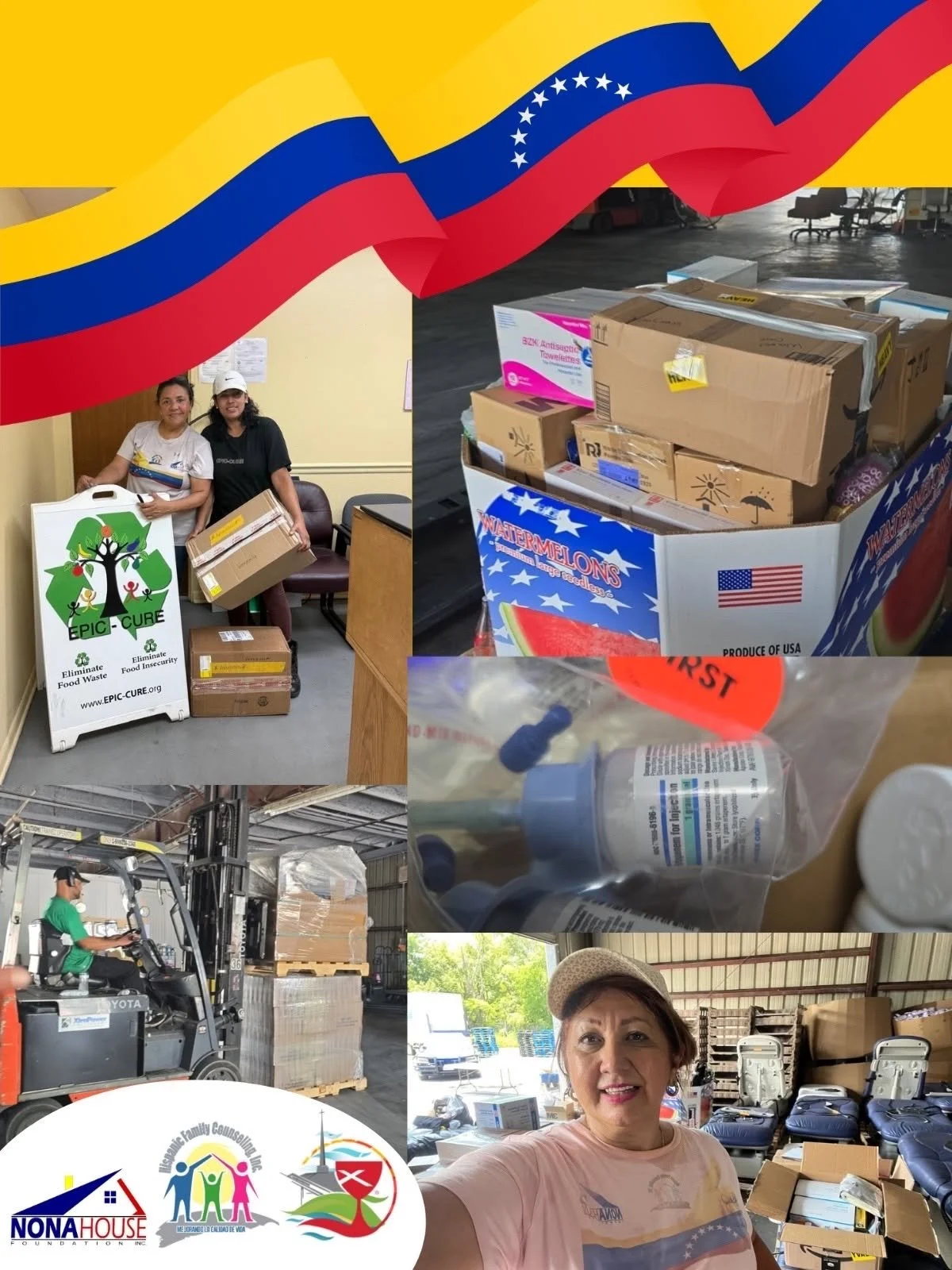
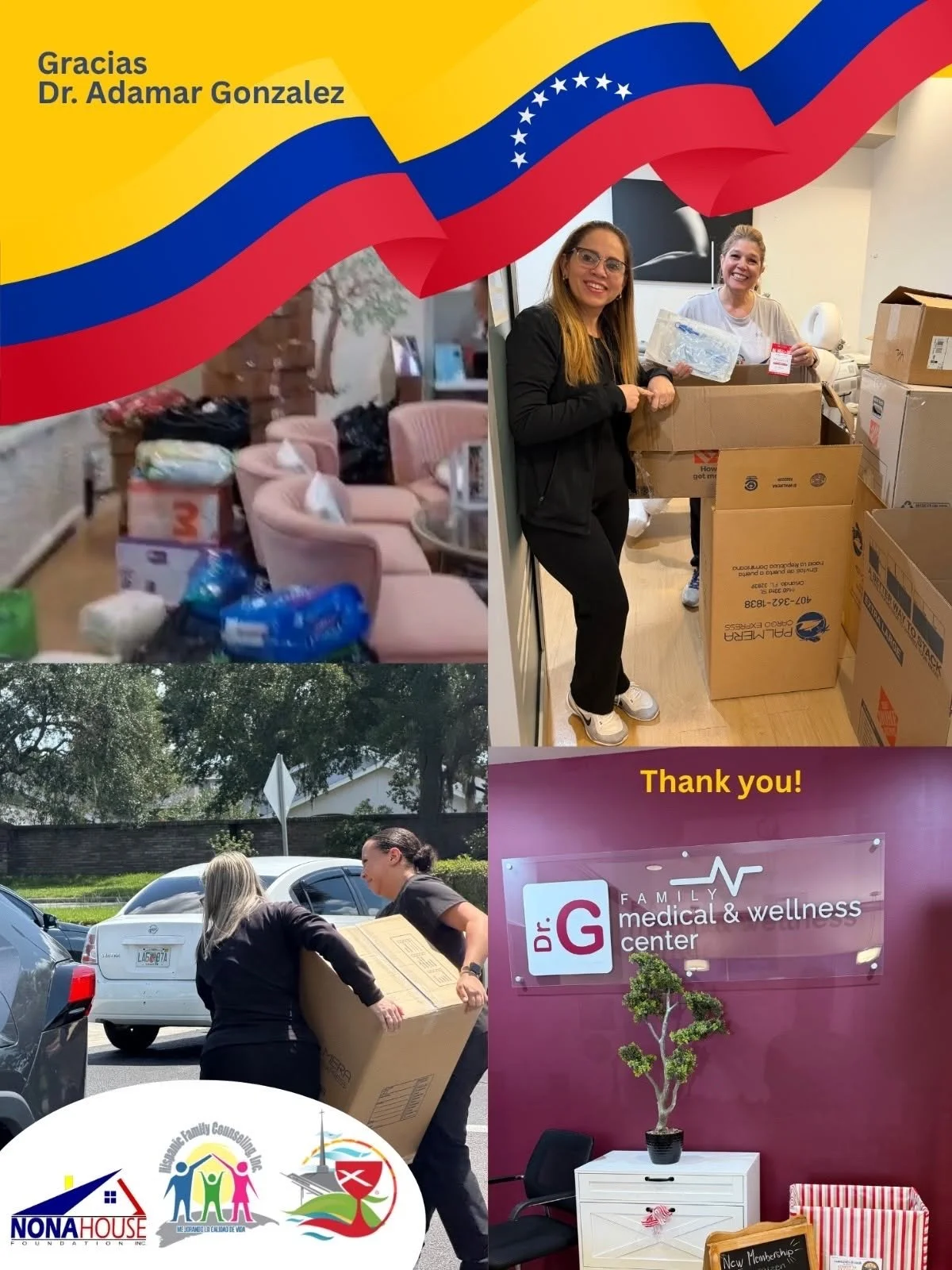
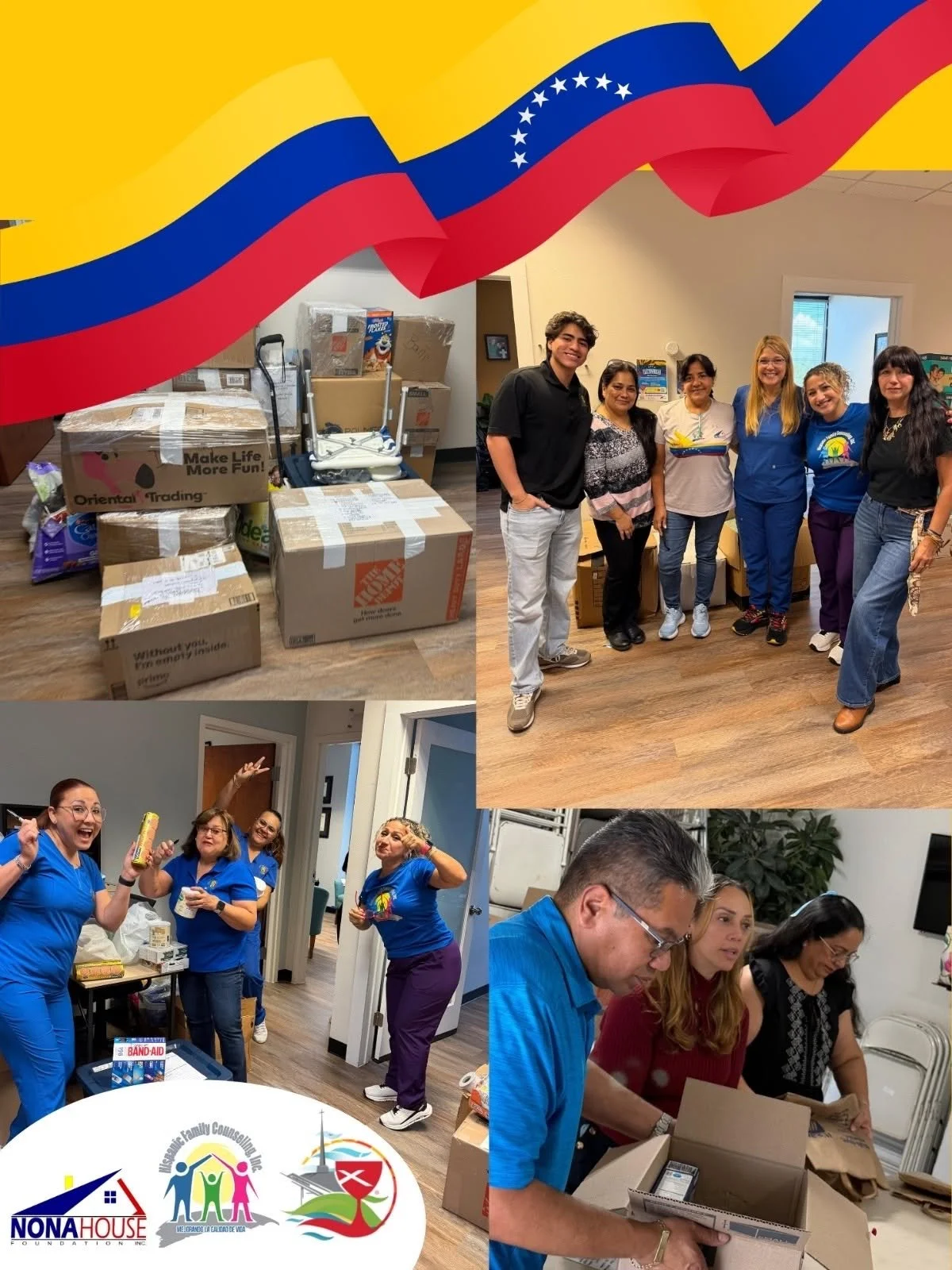
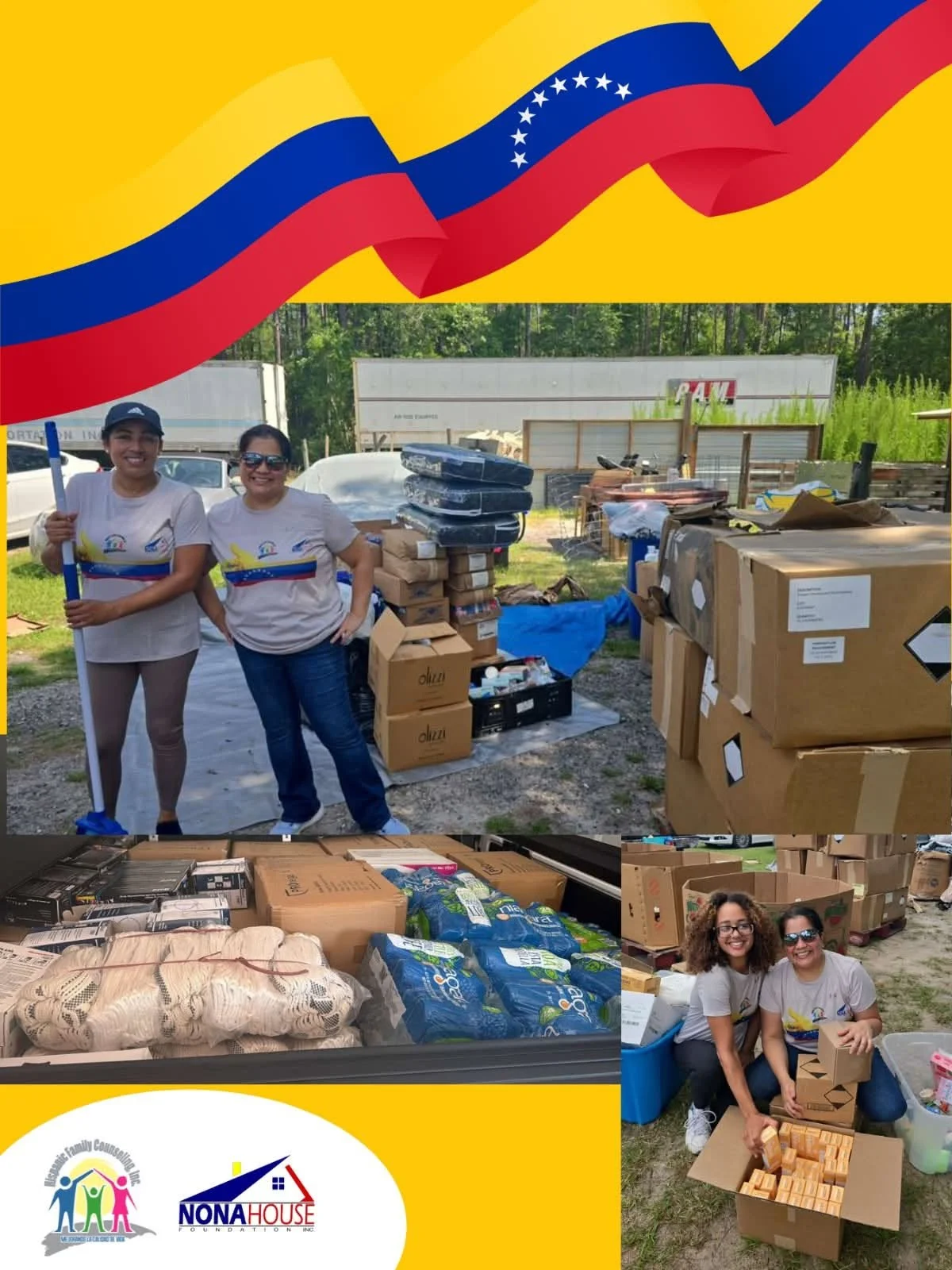

Mission Update: Venezuela Relief Effort
Thanks to the incredible support of our community, we continue bringing hope to families in Venezuela.
Special thanks to Apopka Health Center, Dr. Wanda Berríos-Díaz and her team, r. G and Family Medical & Wellness Center, Arezu Katouli of Treasure Island Resort Wear & Gifts for her generous $2,500 donation, Iglesia Cristiana Hispana (Disciples of Christ) of Casselberry, and Women’s Leadership Impact Initiative for making this mission possible.
Great news! Our humanitarian aid container has departed Miami and is expected to arrive in Venezuela within the next two weeks. Thanks to the incredible dedication of our volunteers, we successfully loaded 41 pallets of essential humanitarian supplies.
In addition, the medications shipped by air on July 18 have safely arrived in Venezuela. Our volunteer team also arrived on July 21 to support the distribution of these critical supplies to the affected communities.
Thank you for being part of this mission. Your generosity is bringing hope and relief to families in need.
We also continue providing emotional support through workshops and upcoming support groups for those in need.
Together, we are proving that compassion knows no borders. Thank you to every donor, volunteer, church, organization, and business that has made this mission possible.
#VolunteerSpirit#ServeWithLove#MakingADifference#AyudaHumanitaria#EsperanzaParaVenezuela#UnidosPorVenezuela#Solidaridad#LlevandoEsperanza#HispaFam
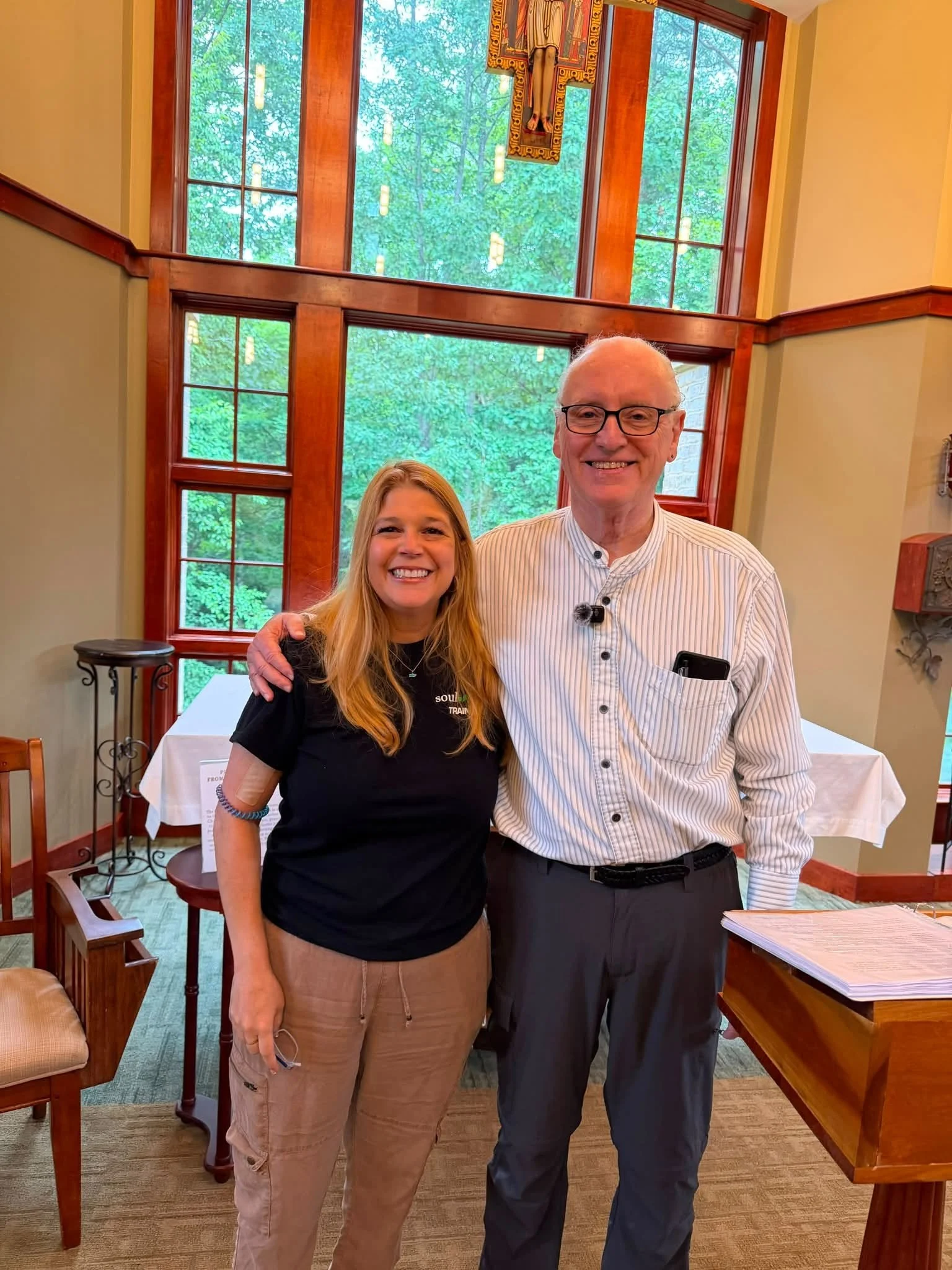
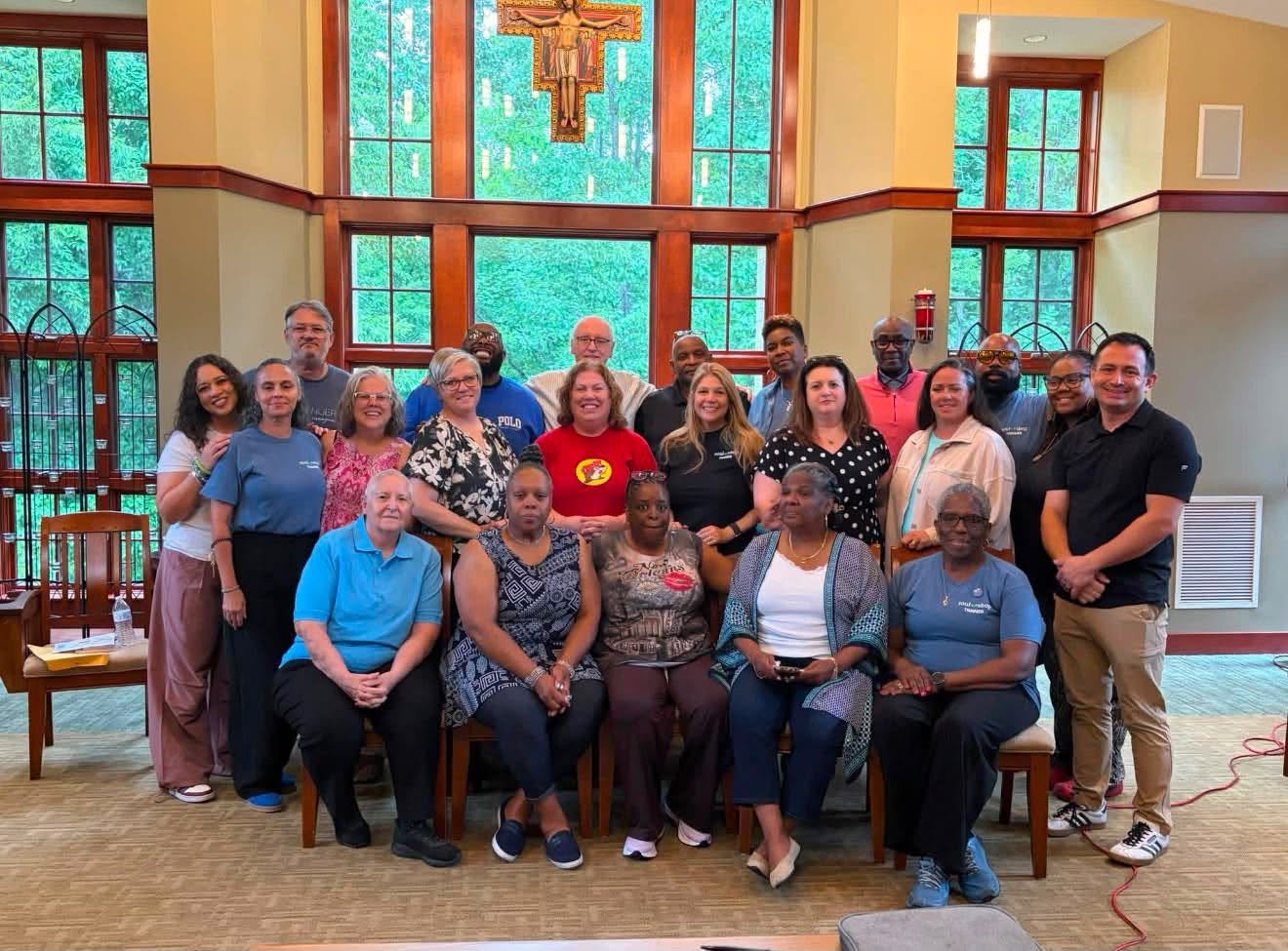
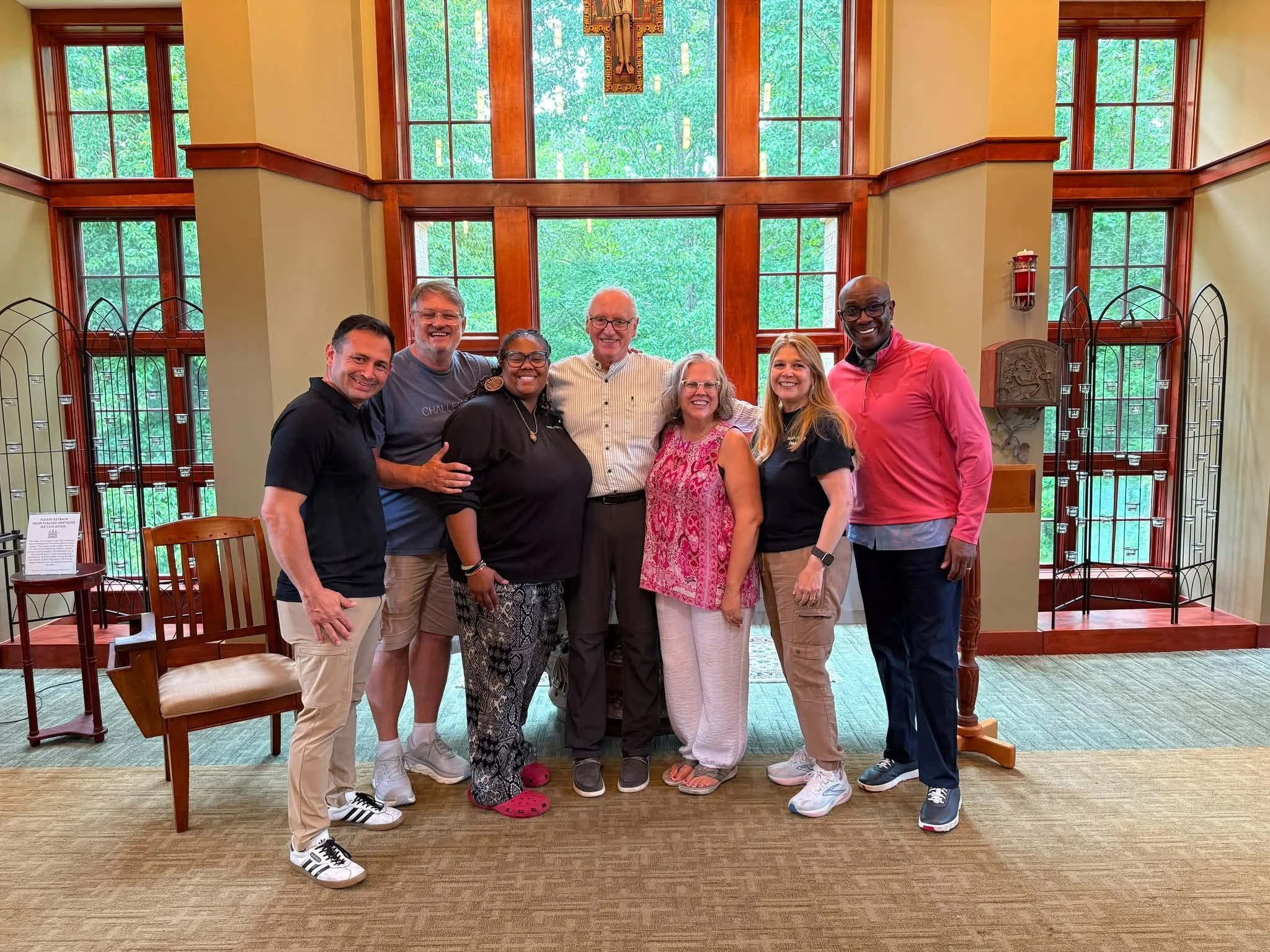
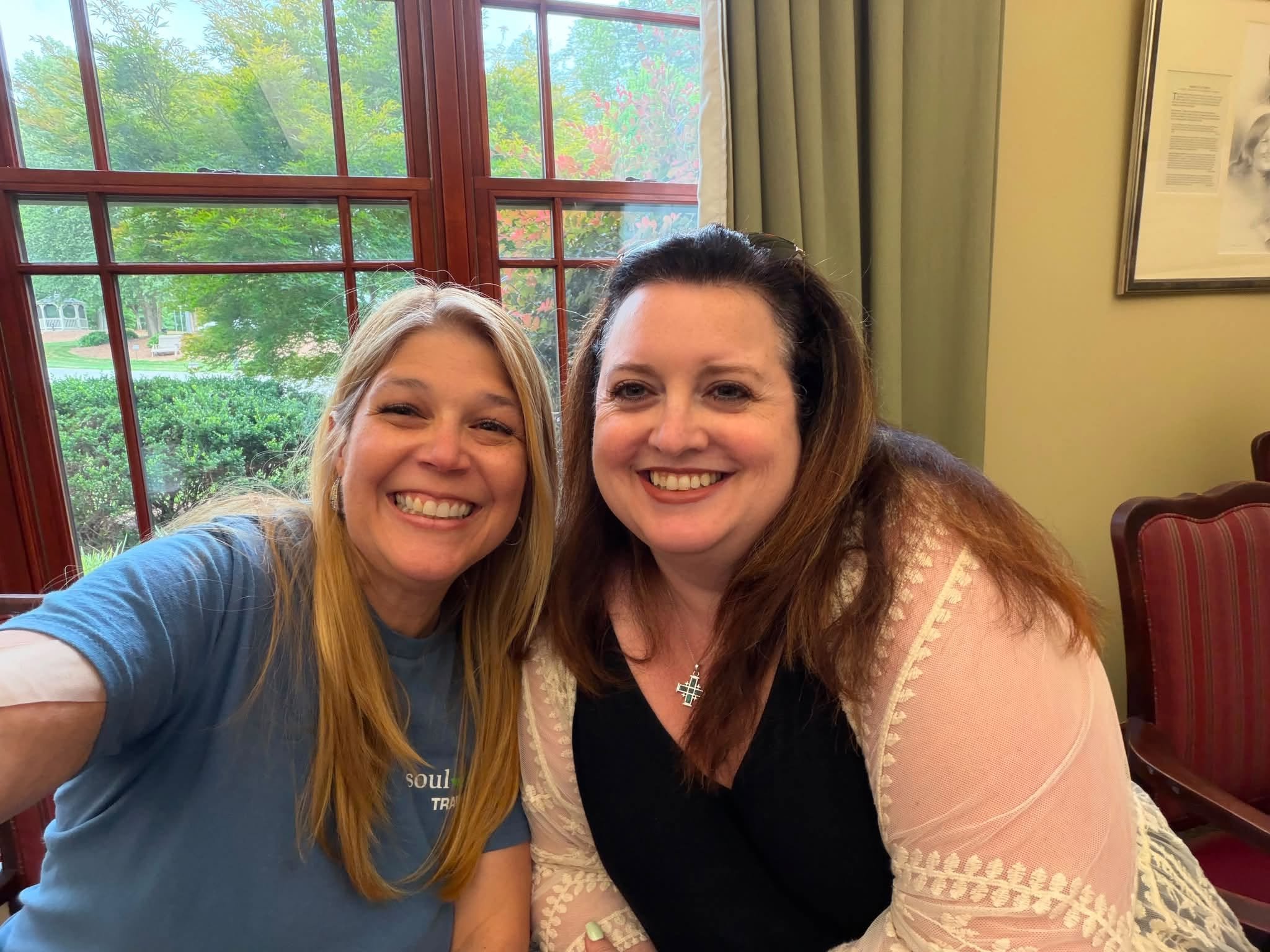
Inspired by the Vision. Empowered to Serve.
Our founder had the privilege of participating in the first Soul Shop Trainer Retreat, where she had the opportunity to hear directly from Fe Avis, the creator of Soul Shop, about the inspiration, vision, and journey behind the development of this life-changing program.
We are honored to continue growing as trainers and to bring hope, education, and compassionate support to the communities we serve.

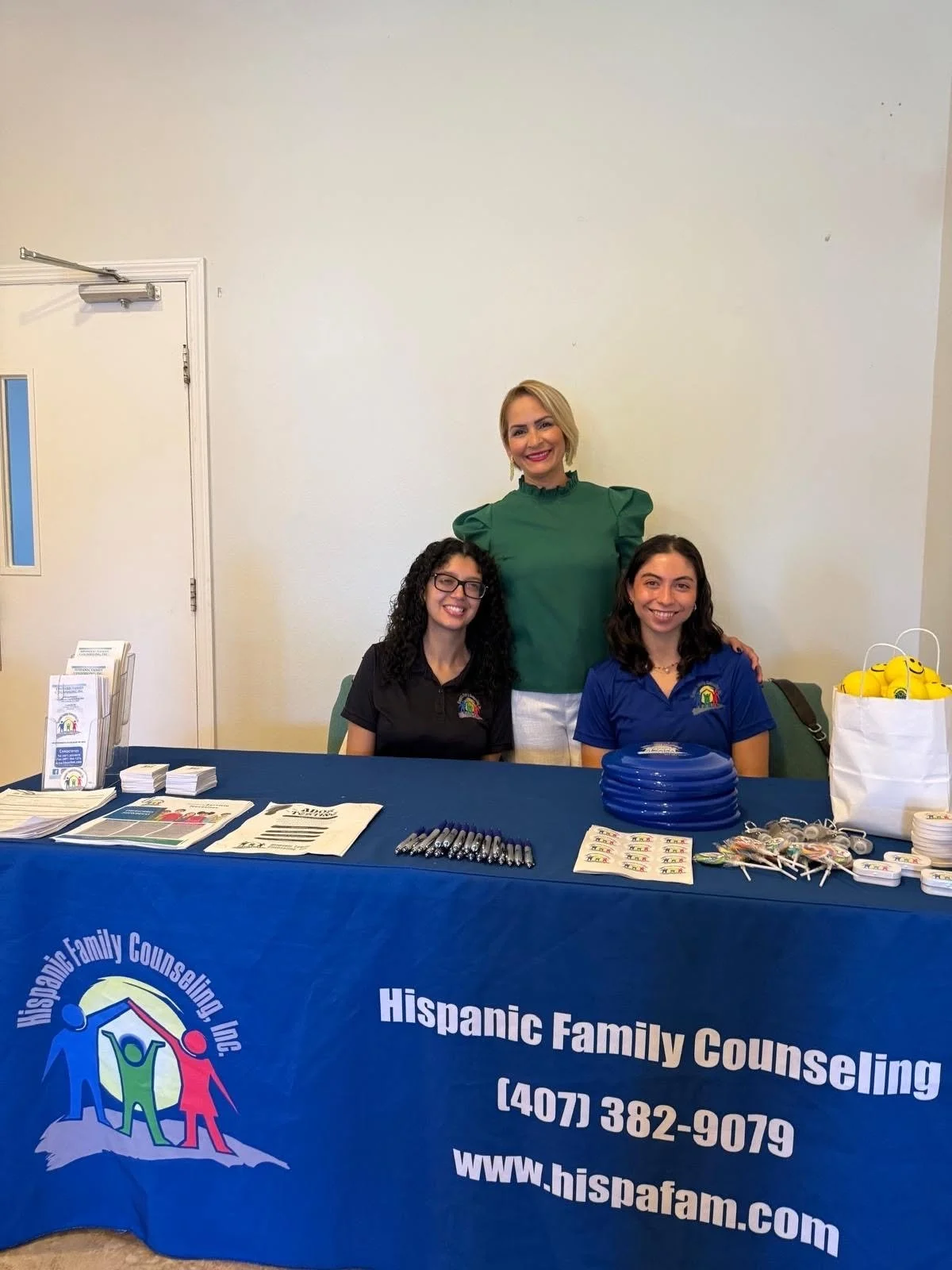
Bloom Brunch: Discovering Our Essence of Victory
Hispanic Family Counseling was honored to be part of this inspiring morning of connection, encouragement, and spiritual growth for women.
We are grateful to Pastor, author, and founder of Women with a V-Neck Ministry, Glizette Caballero, from Puerto Rico, for sharing a powerful message that encouraged every woman to embrace her purpose, identity, and worth.
Our interns were present with an informational table, and our CEO, Dr. Nidia Medina, proudly participated in this meaningful event, reaffirming our commitment to supporting the well-being and empowerment of our community.
Thank you for allowing us to be part of such a special experience!

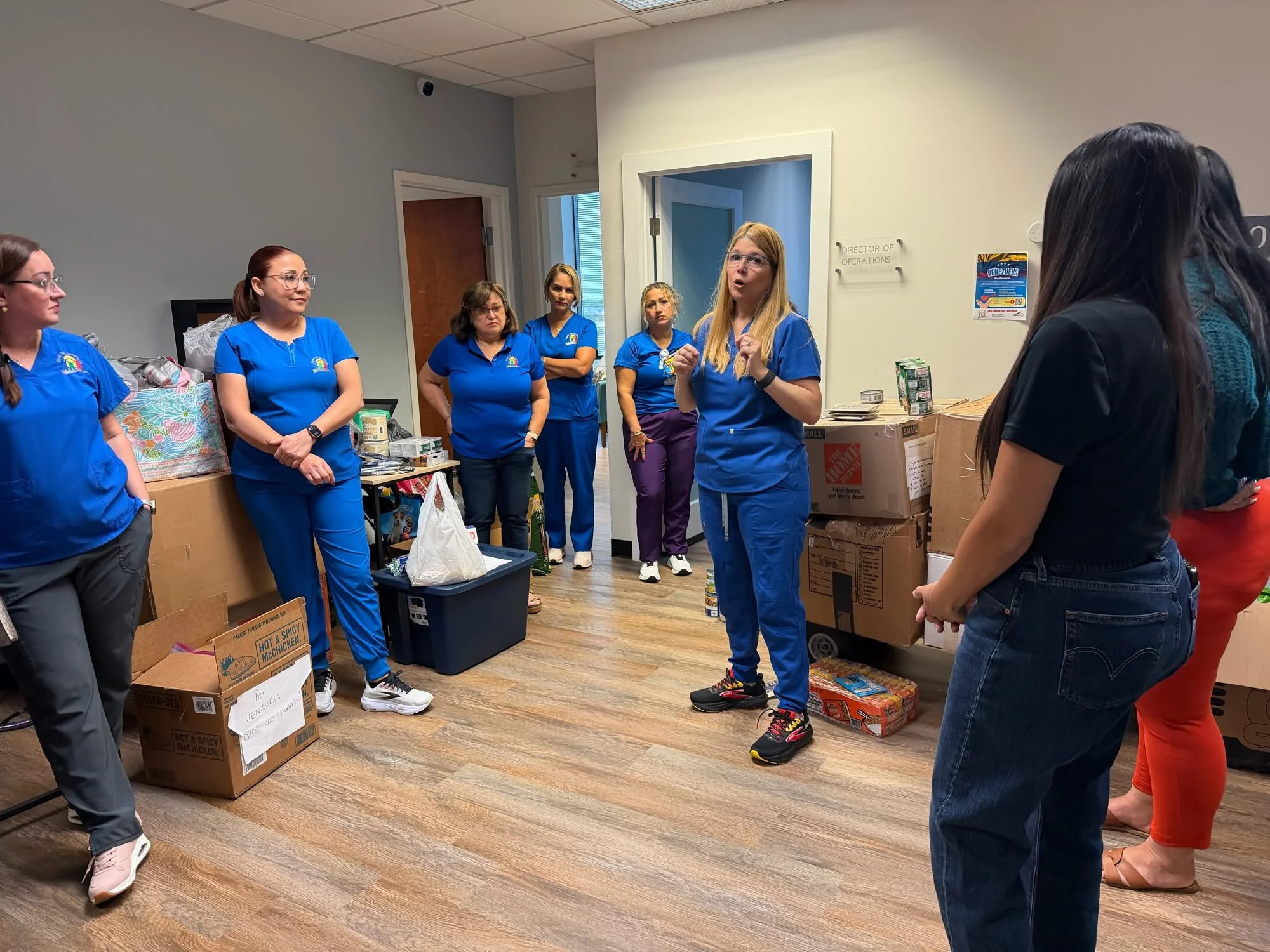
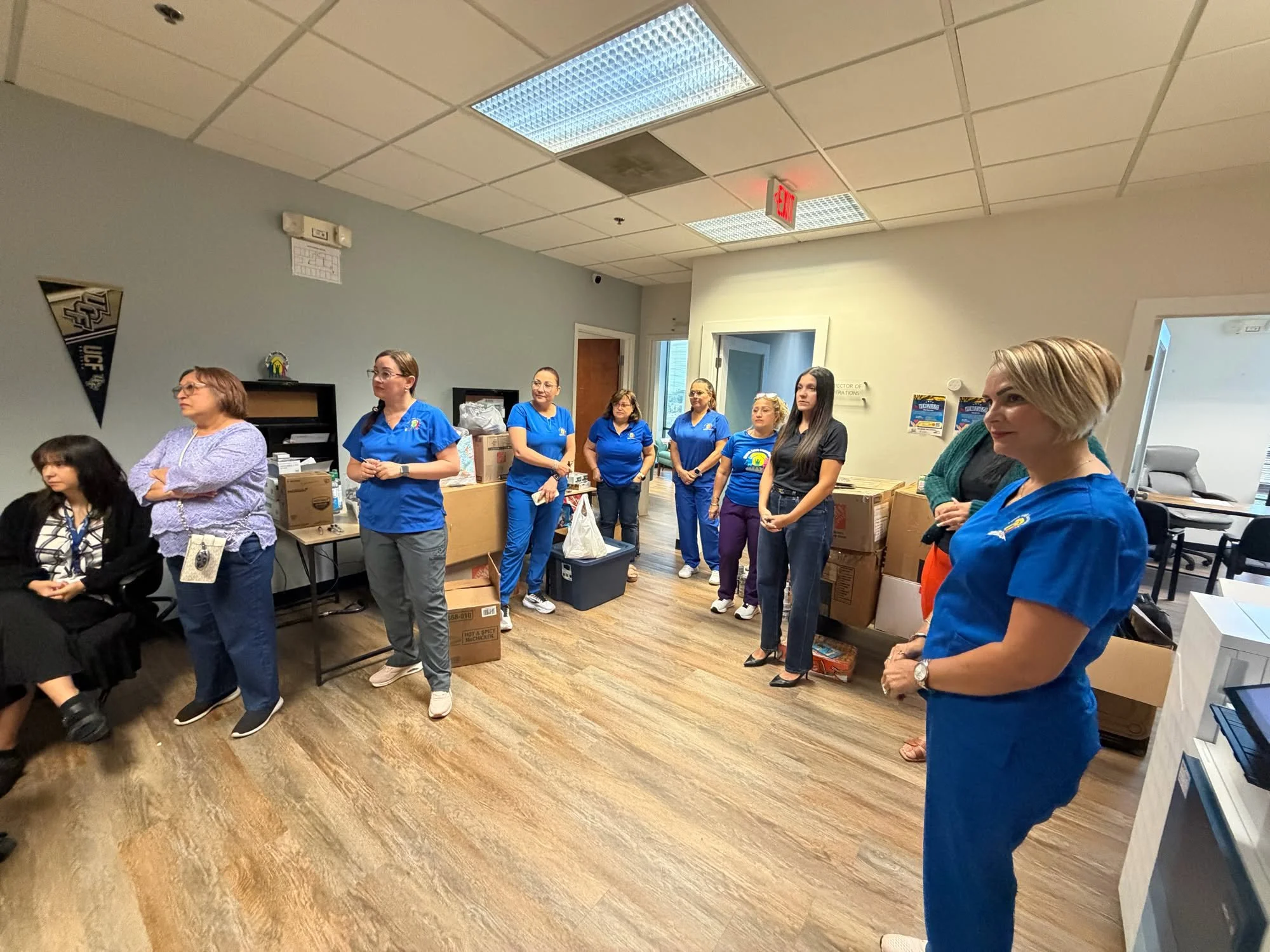

Coming Together to Celebrate, Serve, and Make a Difference
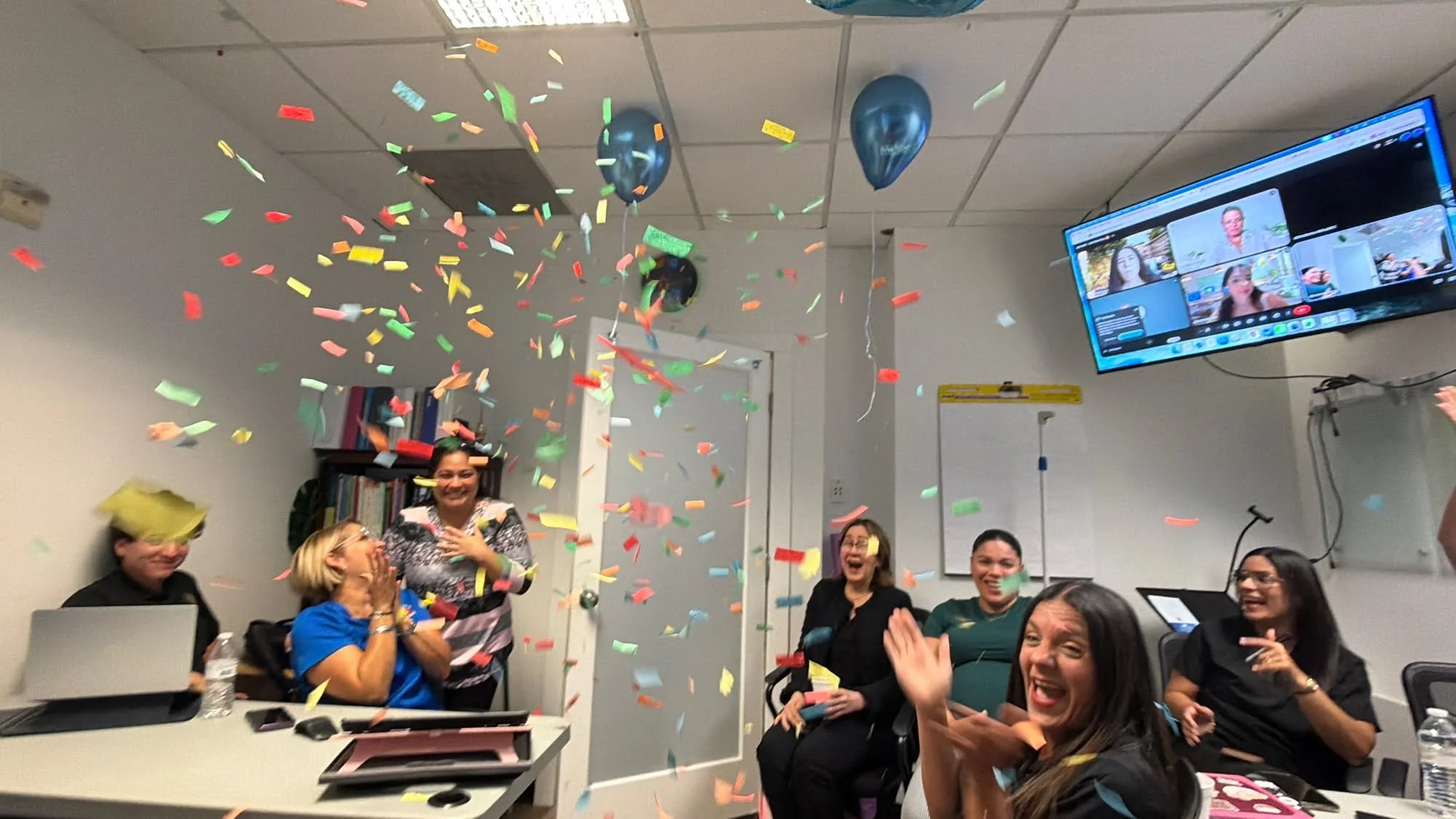
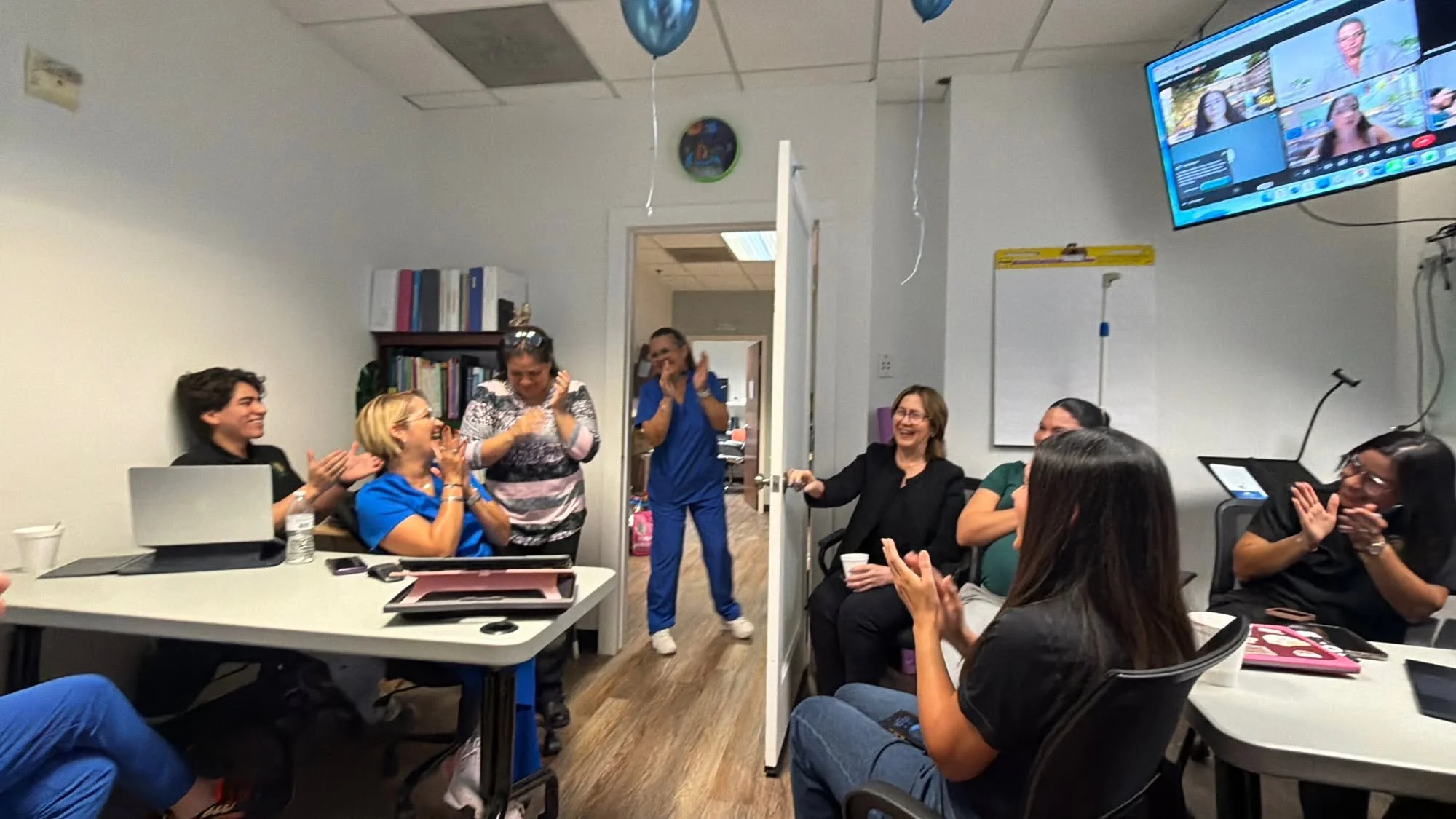
During our in-person Staff Meeting, we had the opportunity to come together as a team, share ideas, and continue strengthening our mission of serving our community.
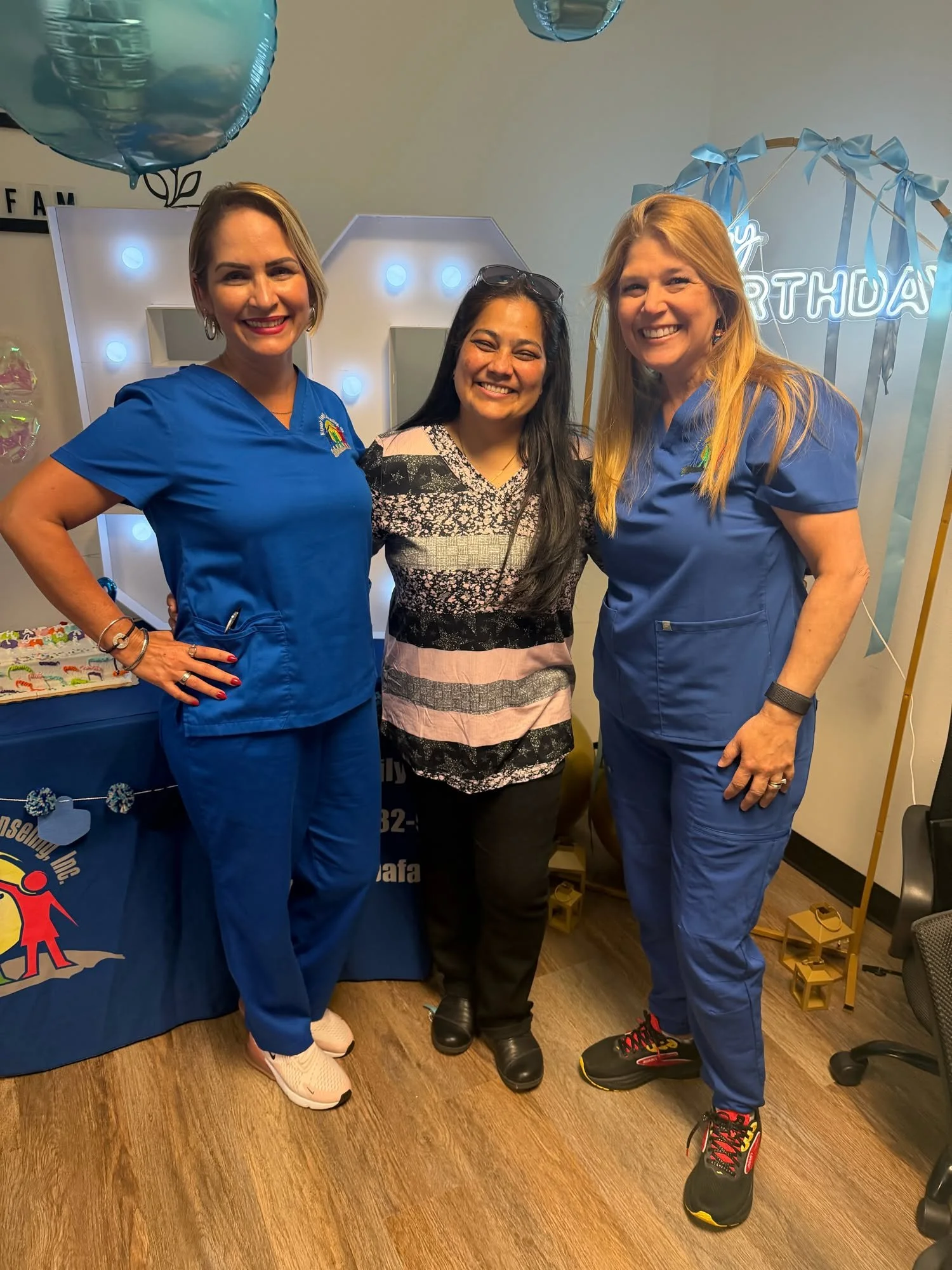
We also celebrated the 50th birthday of one of our wonderful supervisors, Karen Pérez, with a very special surprise! Thank you, Karen, for your leadership, dedication, and the care you show our team every day.
Our leadership team also treated us to a delicious lunch, making the day even more enjoyable.
As part of our commitment to serving beyond our local community, we also continued organizing and packing the care boxes that will soon be sent to Venezuela.
Together, we continue to grow, serve, and make a difference—one act of kindness at a time.
#HispaFam #TrabajoEnEquipo #ServimosConAmor #Comunidad #Venezuela

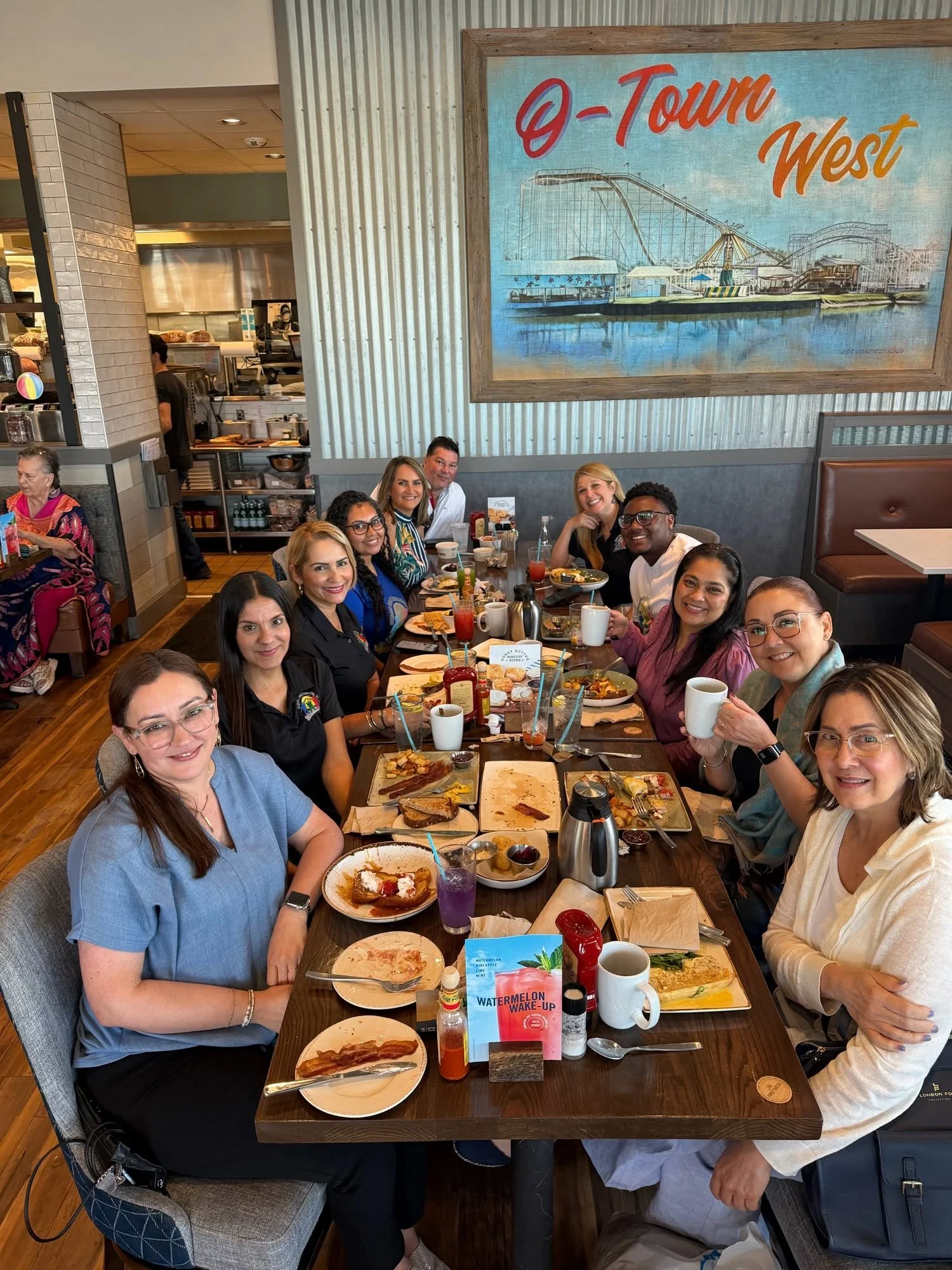
A Morning of Leadership, Connection, and Gratitude
At Hispanic Family Counseling, we believe that the strongest teams are built not only through hard work, but also by taking time to connect, share, and grow together.
Today, we enjoyed a wonderful breakfast with the supervisors from each of our departments, a special opportunity to connect, exchange ideas, and continue strengthening the relationships that make our team feel like family.
We would like to extend our heartfelt thanks to Dr. Denisse Centeno Lamas, Dr. Nidia Medina, and Richard Centeno for making this gathering possible. Their leadership, support, and genuine care for our team inspire us to continue giving our very best every day.
Moments like these remind us that when we support one another and work together, we are better equipped to serve our community with excellence, compassion, and commitment.
Together, we remain united by one shared purpose: making a positive difference in the lives of those we serve.

If you want to learn more about our work and impact on communities, follow us on our social media platforms.


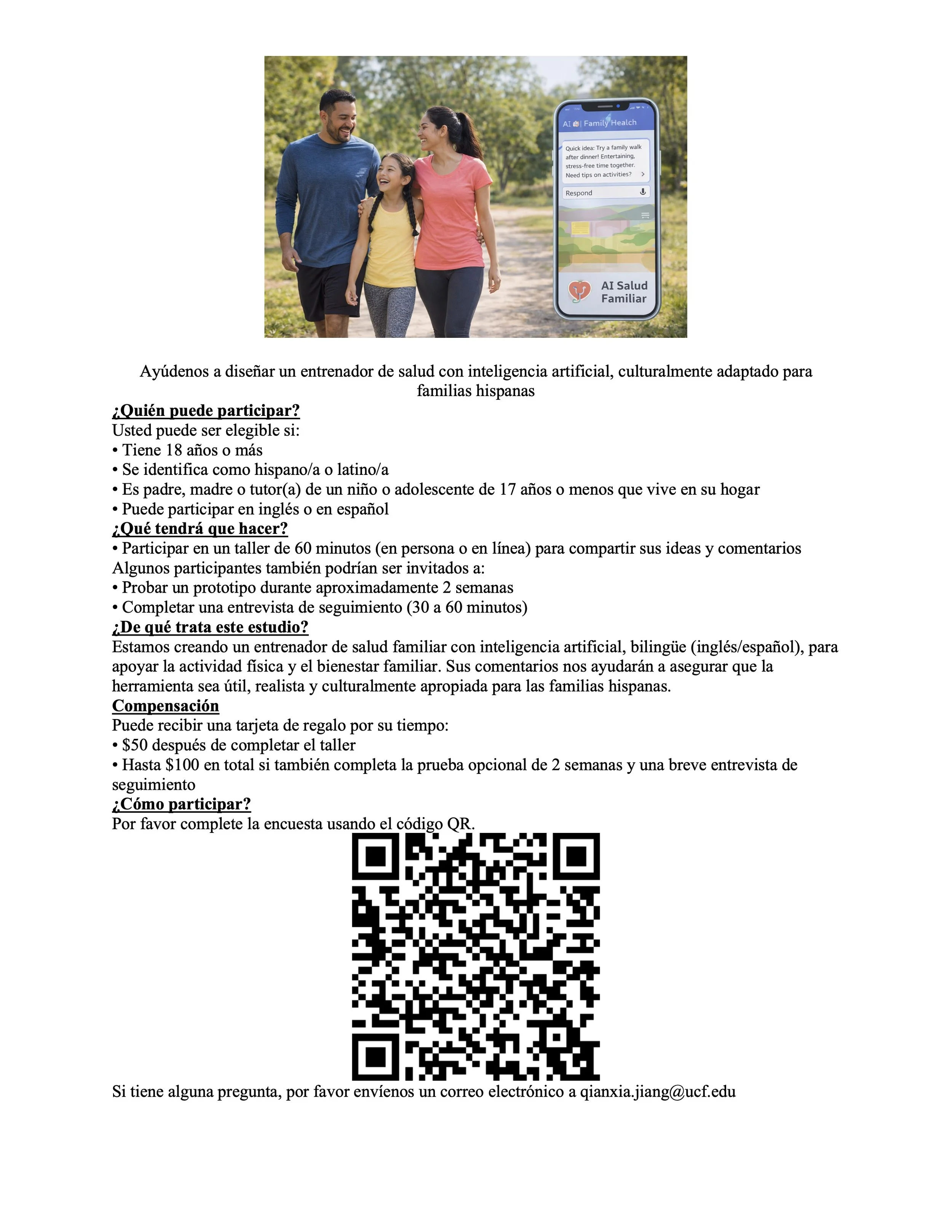
Click Flyer for English

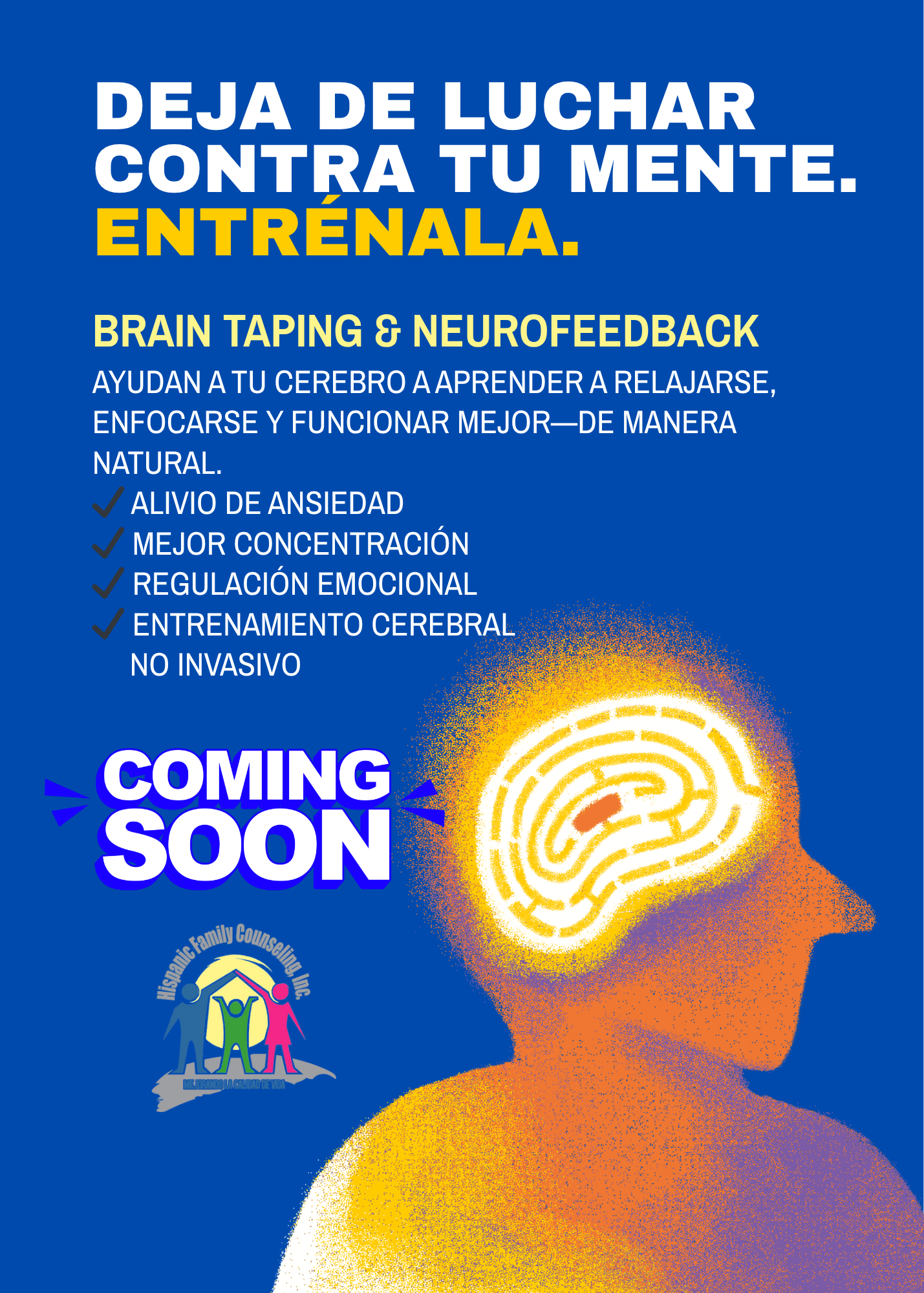
Click for more information

➡️ Read the new blog post:
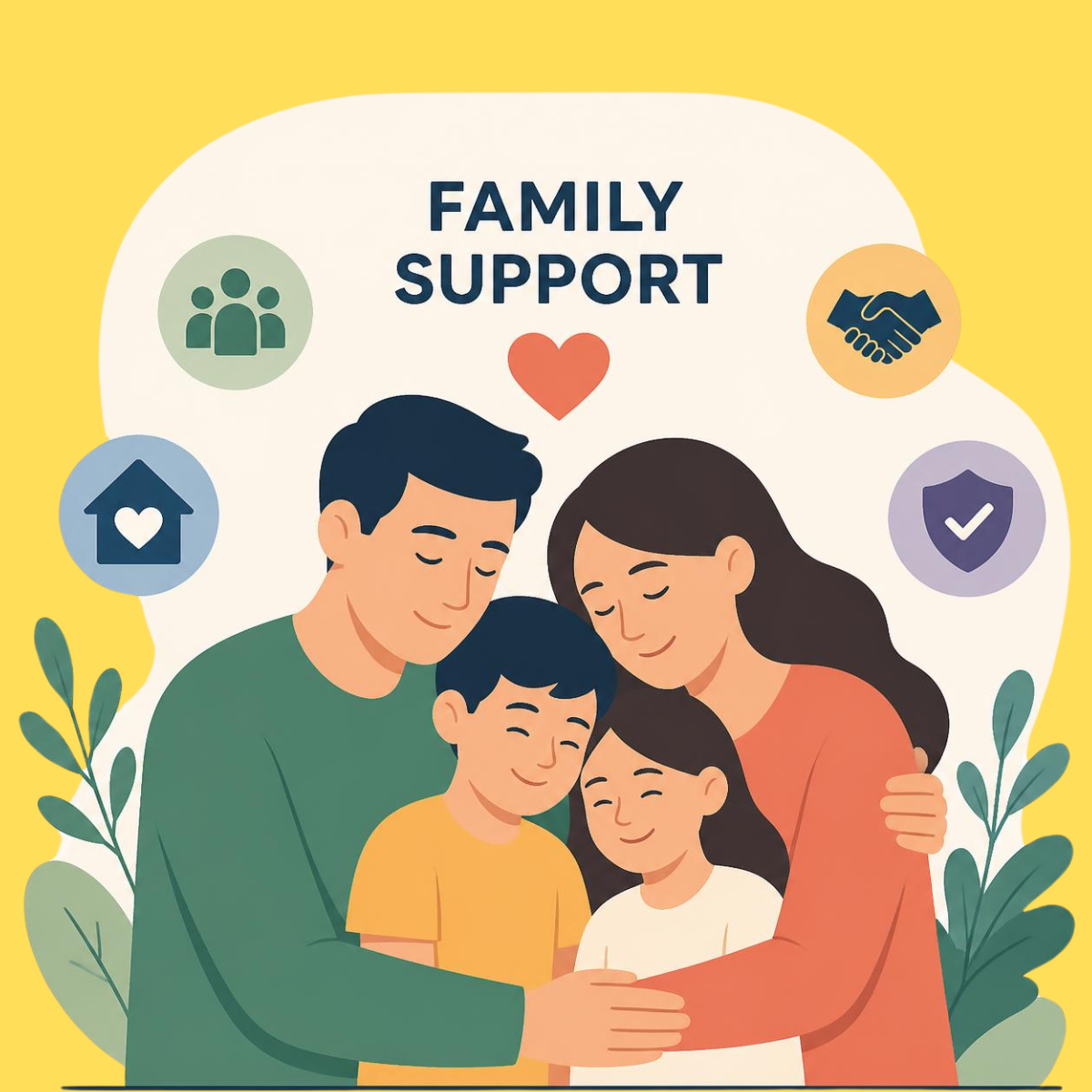
Mental Health in the Family: Nurturing Emotional Well-Being at Home
The family is often the first place where individuals learn to express their emotions, cope with challenges, resolve conflicts, and build meaningful relationships. When the home environment provides safety, respectful communication, and emotional support, it can serve as a powerful protective factor for mental health. However, financial stress, relationship conflicts, loss, immigration experiences, illness, caregiving responsibilities, and other life stressors can also affect the emotional well-being of every member of the household.
Talking about mental health within the family does not mean assuming that someone has a mental illness or assigning blame. Rather, it means recognizing that each family member has emotional needs and that what affects one person can have an impact on everyone else. For this reason, promoting mental well-being should be viewed as a shared responsibility rooted in empathy, open communication, and a willingness to seek help when needed.
Mental Health Is an Essential Part of Overall Health
Mental health influences how people think, feel, relate to others, make decisions, and cope with everyday challenges. It is more than simply the absence of a mental health diagnosis. It also includes the ability to manage stress, express emotions, maintain healthy relationships, and develop resilience after difficult experiences.
Self-care practices, supportive relationships, and staying connected with family members and friends can provide both emotional and practical support during times of stress (National Institute of Mental Health [NIMH], 2024). However, self-care is not a substitute for professional treatment when symptoms are severe, persistent, or interfere with daily functioning.
Within a family, each person's emotional well-being is closely connected to the overall functioning of the family system. For example, a parent experiencing high levels of anxiety may have less patience when dealing with everyday conflicts. Likewise, a child struggling emotionally may express distress through irritability, withdrawal, academic difficulties, or behavioral changes. This does not mean that one individual is responsible for all family problems; rather, emotional experiences often affect family relationships as a whole.
Warning Signs Families Should Not Ignore
Everyone experiences and expresses emotional distress differently. Some people openly discuss their feelings, while others withdraw, react with anger, or develop physical symptoms. The following warning signs deserve attention:
Significant changes in mood.
Frequent irritability or intense emotional reactions.
Withdrawal from family and friends.
Persistent changes in sleep or appetite.
Difficulty concentrating or fulfilling daily responsibilities.
Loss of interest in activities that were once enjoyable.
Increasingly frequent family conflicts.
Using alcohol or other substances to cope with emotions.
Expressions of hopelessness, worthlessness, or a desire to die.
In children and adolescents, emotional difficulties may also appear as declining academic performance, developmental regression, recurring physical complaints, defiant behaviors, or excessive worry. Parents, healthcare providers, teachers, therapists, and other supportive adults should work collaboratively whenever a child or adolescent is receiving treatment or experiencing emotional challenges (Centers for Disease Control and Prevention [CDC], 2025).
A single warning sign does not necessarily indicate the presence of a mental health disorder. However, when several changes persist, cause significant distress, or interfere with relationships, work, school, or daily activities, seeking a professional mental health evaluation is strongly recommended.
The Importance of Emotionally Safe Communication
An emotionally healthy family is not one that never experiences disagreements. Rather, it is one that learns to communicate without resorting to humiliation, violence, threats, or punitive silence. Healthy communication allows family members to express concerns, acknowledge mistakes, establish boundaries, and work together to find solutions.
One simple yet effective practice is replacing accusations with personal statements. Instead of saying, “You never listen to me,” a person might say, “I feel ignored when I try to talk and the conversation is interrupted.” This shift reduces defensiveness and helps uncover the emotional need underlying the conflict.
It is equally important to listen without rushing to correct, minimize, or immediately solve the problem. Statements such as, “I understand this has been difficult for you,” “Thank you for trusting me,” or “I’m here to listen” can strengthen family connections. Honest and compassionate conversations are especially important for helping adolescents feel safe discussing their emotions and seeking support (Centers for Disease Control and Prevention [CDC], 2025).
Listening does not mean agreeing with every behavior. Healthy boundaries remain essential, particularly when aggression, manipulation, or safety concerns are present. However, it is possible to establish firm boundaries without emotionally rejecting the individual.
Family Habits That Promote Emotional Well-Being
Supporting family mental health is built through small, consistent actions. Helpful practices include maintaining healthy routines for sleep, nutrition, physical activity, and rest. It is also beneficial to set aside time free from electronic devices to talk, share meals, or participate in recreational activities together.
Families can schedule brief check-ins to ask each member how they are feeling, what concerns they may have, and what kind of support they need. These conversations should not be used to interrogate or discipline, but rather to foster connection, understanding, and collaboration.
Another valuable habit is recognizing and naming emotions. Adults can model emotional awareness by saying, “I’m feeling frustrated today, and I need a few minutes to calm down.” This demonstrates that emotions can be acknowledged and managed without reacting impulsively.
A strong support network also plays an essential role in emotional well-being. Extended family members, friends, faith communities, support groups, and community organizations can reduce feelings of isolation while providing both emotional and practical assistance. The American Psychological Association (2019) notes that supportive social networks can help individuals manage stress and strengthen personal resilience.
Overcoming Mental Health Stigma in Hispanic Families
In some families, beliefs about mental health continue to discourage people from seeking treatment. Depression may be viewed as a lack of willpower, anxiety as an overreaction, and psychotherapy as something only "weak" or "crazy" people need. These misconceptions can increase suffering and delay access to appropriate care.
Seeking professional help is not a sign of family failure. On the contrary, it is a responsible and courageous decision. Psychotherapy provides a confidential space where individuals can better understand their thoughts, emotions, behaviors, and relationships. Depending on the identified needs, treatment may include individual therapy, couples counseling, family therapy, or a psychiatric evaluation.
Family education can also help loved ones better understand mental health symptoms, available treatment options, and the most effective ways to support someone experiencing emotional difficulties. Educational and support programs can strengthen family members' coping skills while helping them manage their own stress more effectively (National Institute of Mental Health [NIMH], 2024).
How to Support a Loved One Who Is Struggling
When someone shares that they are experiencing emotional difficulties, the first response should be to listen with empathy and respect. It is helpful to avoid phrases such as, “Others have it worse,” “It’s all in your head,” “You just need to be stronger,” or “Just think positive.” Although these statements are often well-intentioned, they can unintentionally minimize the person's pain.
Instead, consider asking questions like, “How can I support you?” “Have you thought about talking with a mental health professional?” or “Would you like me to go with you to seek help?” The Substance Abuse and Mental Health Services Administration (SAMHSA, 2023) recommends approaching the person with care, expressing genuine concern, listening without judgment, and helping them connect with professional mental health resources.
Supporting a loved one does not mean taking on the role of their therapist. Family members can offer love, presence, and encouragement, while also recognizing their own limits. When caring for someone begins to cause exhaustion, anxiety, or emotional distress in other family members, the entire family may benefit from professional guidance.
When to Seek Immediate Help
Immediate assistance should be sought if a person expresses a desire to die, threatens to harm themselves, engages in dangerous behavior, loses touch with reality, or is unable to care for themselves.
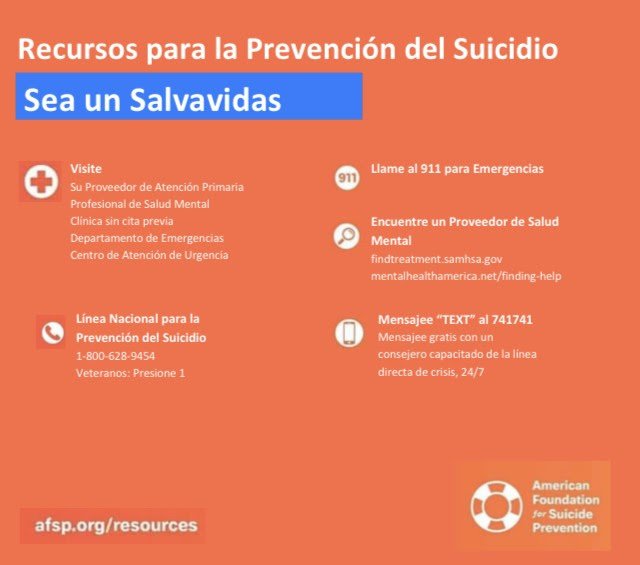
In the United States, individuals can call or text 988 to reach the Suicide & Crisis Lifeline, which provides free, confidential support 24 hours a day, seven days a week. In a life-threatening emergency, call 911 or go to the nearest emergency department immediately.
Conclusion
A family's mental health is strengthened every day through respectful relationships, open communication, healthy boundaries, and a willingness to seek help when needed. No family is immune to conflict, loss, or difficult seasons of life. However, these challenges can become opportunities to develop healthier ways of relating to and caring for one another.
Creating an emotionally safe home does not require having all the answers. It requires listening, acknowledging suffering, breaking down stigma, and responding with compassion. When a family chooses to prioritize its mental health, it protects not only the individual experiencing emotional distress, but also the stability, resilience, and well-being of the entire family system.
Disclaimer: This article is intended for educational purposes only and should not be considered a substitute for evaluation, diagnosis, or treatment provided by a licensed mental health professional.
References
American Psychological Association. (2019, October 8). Manage stress: Strengthen your support network.https://www.apa.org/topics/stress/manage-social-support
Centers for Disease Control and Prevention. (2025, June 9). About children's mental health.https://www.cdc.gov/children-mental-health/about/index.html
Centers for Disease Control and Prevention. (2025). Resources for parents: Teen mental health and drug use.https://www.cdc.gov/free-mind/parents/index.html
National Institute of Mental Health. (2024). Caring for your mental health. U.S. Department of Health and Human Services, National Institutes of Health. https://www.nimh.nih.gov/health/topics/caring-for-your-mental-health
National Institute of Mental Health. (2024). Help for mental illnesses. U.S. Department of Health and Human Services, National Institutes of Health. https://www.nimh.nih.gov/health/find-help
Substance Abuse and Mental Health Services Administration. (2023, April 24). How to talk to friends and family members about mental health. U.S. Department of Health and Human Services. https://www.samhsa.gov/mental-health/how-to-talk/friends-and-family
About the Author
Juan S. Rivera-Cedeño is a Professional Counselor at Hispanic Family Counseling. He holds a Master of Science in Professional Counseling with a specialization in Marriage and Family Counseling, a Master of Divinity, and a Bachelor's degree in Social Work.


Get to Know Juan Rivera, M.Div., MA, BSW
Counselor
With a background in Professional Counseling, Marriage and Family Therapy, Divinity, and Social Work, Juan is passionate about walking alongside individuals and families as they navigate life's challenges. His work is rooted in empathy, compassion, and respect for each person's unique story. In this edition, we invite you to get to know him a little better—both as a professional and as a person..
1. If your friends described you in three words, what would they be?
Honest, straightforward, and kind.
2. What inspired you to work in the mental health field?
I was inspired by the human need to understand and discover meaning and purpose in life.
3. What do you enjoy most about your work?
What I enjoy most is when a client tells me, “The pain or burden I came in with is gone.”
4. What is one piece of advice you often give to others?
I often encourage people to discover the treasure that lies within them, because life’s experiences do not determine their worth.
5. What is something most people don't know about you?
Something most people don’t know about me is that I love politics—but I don’t discuss it with everyone.
6. Coffee, tea, or something else?
Coffee. ☕️
7. What's your favorite book, movie, or TV show?
The Bible.
8. If you could travel anywhere tomorrow, where would you go?
England.
9. What hobby or activity do you enjoy outside of work?
I enjoy reading and relaxing in the hammock at my home while contemplating nature.
10. How do you like to relax after a busy day?
A relaxing spa massage.
11. What do you hope people feel when they work with you?
I hope people feel accepted and valued when they work with me.
12. Complete this sentence:
"One thing I hope people always remember is..."
One thing I hope people always remember about me is… my love for Jesus.
13. Beach or mountains?
Beach.
14. Sunrise or sunset?
Sunset.
15. Dogs, cats, or both?
Dogs.
16. Sweet or savory?
Something Sweet.
17. One word that guides your life:
Faith.
18. A quote that always inspires me:
“If you want to know someone, ask them what they love.” — Saint Augustine of Hippo

Download Our Positive Message for Your Phone Screen
Brighten your day with an inspiring message! Download our positive wallpaper for your phone and carry motivation with you wherever you go.
Click the image below to download and embrace self-love and care! 💖📱
Click here for English version.