Reconnecting with Your Mind: The Benefits of Brain Taping & Neurofeedback
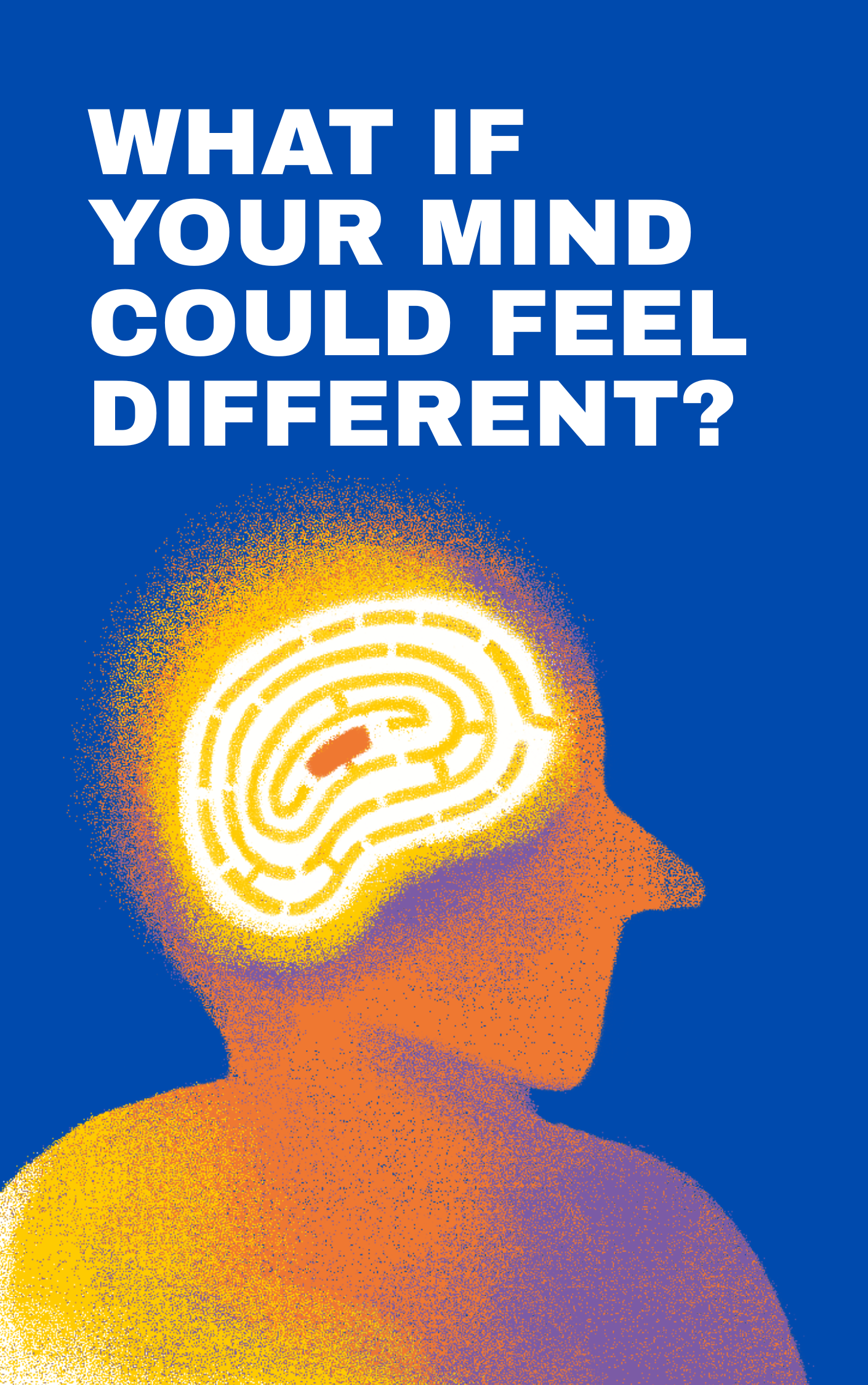
On the journey toward emotional well-being and mental health, more people are exploring innovative tools that support the brain in natural and effective ways.
At Hispanic Family Counseling, we are excited to continue expanding the resources available to our community. Soon, we will be offering two services that are transforming how we approach emotional regulation: Brain Taping and Neurofeedback.
But what are they, and how can they support you?
What is Brain Taping?
Brain Taping is a technique that uses visual and auditory stimulation (through guided audio and gentle light patterns) to help the brain enter specific states such as relaxation, focus, or deep rest.
This process helps the brain shift into frequencies associated with:
Calm
Creativity
Focus
Deep sleep
A calming, non-invasive experience designed to help ages 10+ relax, focus, and feel more in control.
Benefits of Brain Taping:
Reduces stress and anxiety
Improves sleep quality
Enhances mental clarity and focus
Promotes deep relaxation
Supports emotional healing processes
What is Neurofeedback?
Neurofeedback is a neuroscience-based technique that allows us to observe brain activity in real time and train the brain to function more efficiently.
Using non-invasive sensors placed on the scalp, the system measures brainwave activity and provides immediate feedback, helping the brain learn how to self-regulate.
Think of it as a “workout” for your brain.
Benefits of Neurofeedback:
Improves emotional regulation
Reduces symptoms of anxiety and depression
Supports attention and focus (including ADHD)
Helps with insomnia
Strengthens mental resilience
Supports trauma recovery
Neurofeedback and Autism: A supportive approach
Neurofeedback has also shown promising results as a supportive tool for individuals with Autism Spectrum Disorder.
It’s important to understand that Neurofeedback does not aim to change or “fix” autism. Instead, it supports the brain in improving regulation and overall functioning—helping individuals feel more balanced, focused, and at ease.
How it may help:
Supports emotional regulation and reduces overwhelm
Improves attention and focus
Helps manage sensory sensitivity
Promotes better sleep patterns
Encourages self-regulation and calm
For many individuals on the spectrum, daily life can feel overstimulating or difficult to navigate. Neurofeedback offers a gentle, non-invasive way to support the nervous system and enhance quality of life.
At its core, this approach is about empowerment—not correction. It honors each individual’s unique way of experiencing the world while providing tools to navigate it with more ease.
Why integrate these tools into your wellness?
Many times, we try to manage our emotions only through conscious effort, but much of our experience is rooted in the nervous system.
Both Brain Taping and Neurofeedback work directly with the brain, helping it return to a more balanced and regulated state from within.
This is not about forcing change—it’s about training the brain to remember how to regulate itself.
A step toward prevention and care
At Hispanic Family Counseling, we believe in offering diverse tools for mental health—not only in moments of crisis, but as part of an ongoing wellness practice.
These services create space to:
Prevent
Regulate
Heal
Strengthen the mind
Coming soon at Hispanic Family Counseling
We will be sharing more details soon on how to access these services.
If you are looking for new ways to support your mental health, we invite you to stay connected with us.
Your well-being matters. Your mind deserves support.
Disclaimer:: Brain Taping and Neurofeedback are supportive wellness services and are not intended to diagnose, treat, cure, or prevent any medical or mental health condition. These services should be used as a complement to, and not a replacement for, professional medical or mental health care.